

Our customers
We are your trusted partner in industrial engineering
Prototyping and prototype manufacturing
Prototyping and prototype manufacturing service is a key stage within the development of industrial product, since it allows to transform an idea, a concept or a preliminary design into a physical and functional element.
From INFINITIA Industrial Consulting , this service is conceived as a strategic tool to reduce technical uncertainties, validate engineering solutions and anticipate problems before the industrialization phase.
In the industrial laboratory of INFINITIA we have specialists in product engineering, materials and manufacturing processes who work with the latest technologies to develop prototypes adapted to the real requirements of use, integrating criteria of functionality, reliability and industrial viability. Prototyping is not limited to obtaining a piece, but is a technical process aimed at making informed decisions in data and testing
Talk to a specialist
Request a free initial consultation; contact a consultant from our team of specialists

what is a prototype and how do we approach the Prototyping process from Infinitia?
What is it?
From Infinitia, we carry out the development and construction of electronic, mechanical and product prototypes; in a rigorous and detailed way. We want to offer you the best prototype for your project, therefore, we invest time and win both in its implementation, and in its different evaluations .
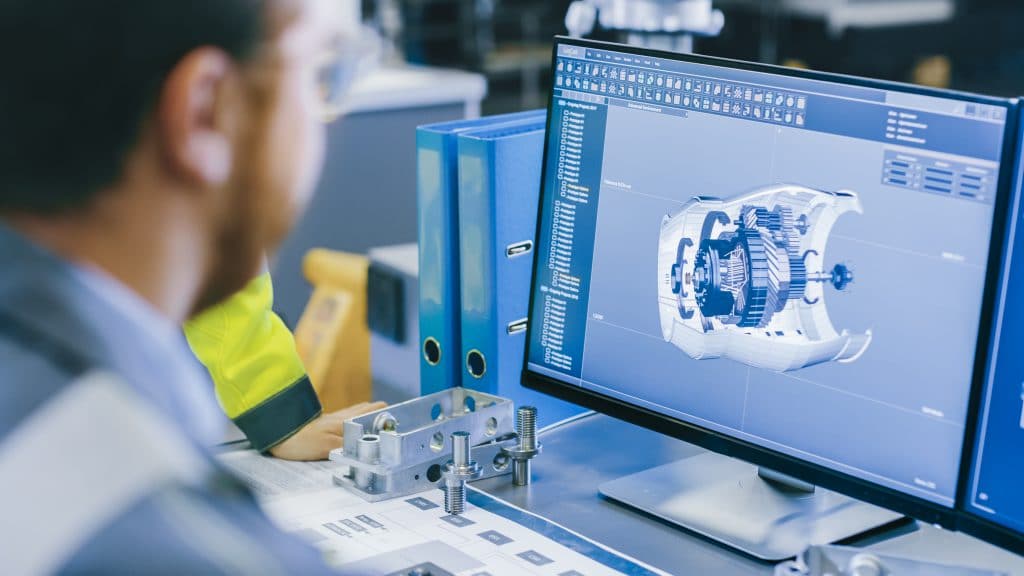
We believe that a continuous testing of prototypes is very important throughout the process; since we can solve many issues, such as the Durability of materials. Different tests, techniques and methods to offer you the best product, including low-fidelity prototypes.From the creation of sketches or appearance models, to the generation of modelsRapid prototypehigh-fidelity . the latter highly demanded in the industry thanks to its speed, low cost and efficiency.
From Infinitia We can help you realize that idea by prototyping a Innovative product, that idea that you have in mind for a long time, thanks to our prototyping serviceWe can help you realize that idea by prototyping an innovative product, that idea that you have in mind for a long time, thanks to our prototyping service.
Rapid prototyping in product design
In Infinitia we make your ideas come true.For this, we opt for the implementation of the product prototype, in order to improve your project or make your idea tangible, materializing it through a detailed Product design.
solve the problems, look for production efficiency, investigate the feasibility of the materials and offer you a Quality guarantee and functionality. in short, the use of high-fidelity prototypes improves the validation of ideas. We want to offer you the best version of your product. hence, the prototyping is so important.
In our prototyping service, designers will transition between the Concept design, 3D CAD modeling and Prototyping to validate your ideas. it is an iterative process in which new opportunities and are revealedProblems need to be explored and refined are revealed.
We create prototypes to constantly validate our ideas.We use different techniques such as rapid prototyping, sketches or appearance models. If you want your project to be an effective and safe bet, from the Infinitia team, we are waiting for you.
Benefits of product design, prototyping and prototype manufacturing
benefits
One of the main benefits of prototyping is the ability to detect design errors and improve User experience, material incompatibilities or process limitations in early stages of the project. from INFINITIA, prototyping allows companies to validate technical hypotheses, improve product performance and adjust critical parameters before making high investments in tools or production lines.
In Sectorsdemanding , such as automotive, equipment or manufacturing, the functional prototypes developed by INFINITIA have allowed to optimize designs, improve the durability of components and ensure compliance with technical and regulatory requirements, contributing to a significant reduction in costs associated with serial failures or work.
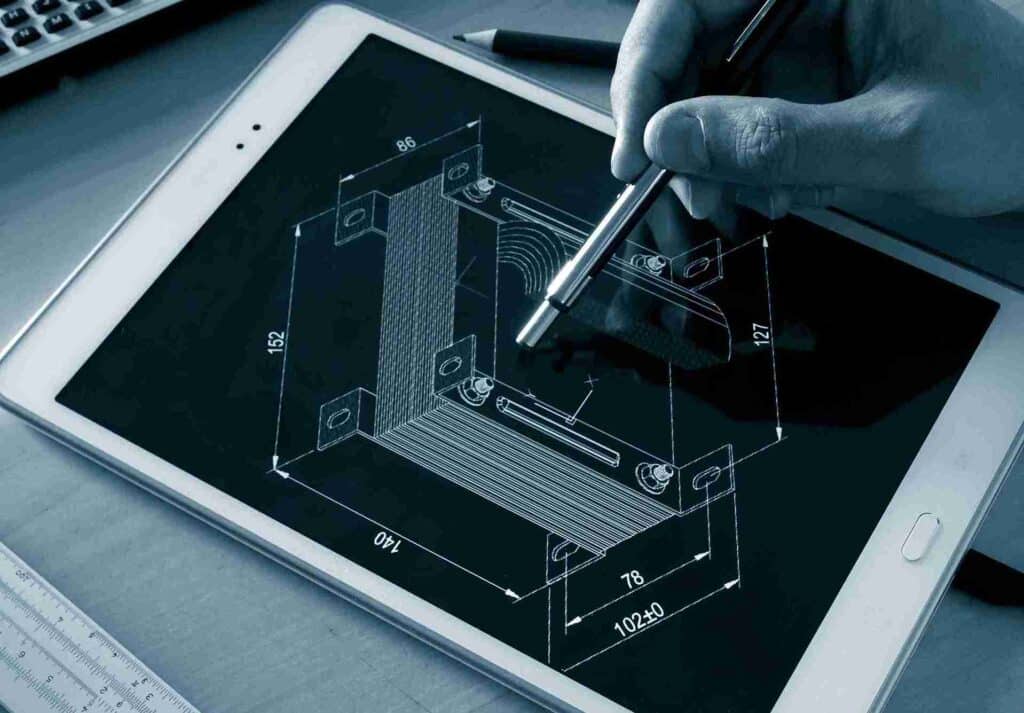
Advantages of prototyping
- Problem solving: Early addressing the design and manufacturing problems of prototypes, testing to determine fit and durability in an iterative design process. this is in order to optimize both the material and human resources of the project through an efficient design process.
- Feedback: Receive feedback on the Low-fidelity prototype of customers and end users to identify and carry out the precise improvements.
- Experience: We have proven experience in development projectsTangible products and the use of different technologies throughout the different development phases, including the creation of digital prototypes.
- Adaptability: key in prototyping is a process that responds to the changing needs of the project. We adapt to your requirements, offering Technology solutions to technical problems.
- Greater flexibility and shorter development time: We bring a complete in-house development through our multidisciplinary team and have a wide network of contacts to prototype a successful product. we estimate production costs, manufacturing time and material requirements.
- Viability: We are trained to turn your ideas into functional prototypes, as well as to certify and industrialize them as required by the project to be developed. we have a necessary equipment and machinery for production.
services
How do we design and manufacture prototypes?
-
Prototyping and prototype manufacturing
3D printing
Discover the 3D printing service that we carry out in the INFINITIA laboratory. We use the most cutting-edge technology to offer quality work to our…
-
Prototyping and prototype manufacturing
Proof of Concept
At INFINITIA Industrial Consulting we know that product development cannot progress without tests that demonstrate the technical and commercial viability of an idea, before moving…
-
Prototyping and prototype manufacturing
Minimum Viable Prototype (MVP)
Did you know that the Minimum Viable Prototype or MVP is a crucial tool to validate concepts and test products in their early stages of…
-
Prototyping and prototype manufacturing
Minimum Lovable Product (MLP)
At INFINITIA Industrial Consulting we are experts in creating innovative products. Products that not only fulfil their functions, but also delight the user. To do…
s of prototyping and phases in the manufacture of prototypes
types
From INFINITIA Industrial Consulting, the prototyping and prototype manufacturing service adapts to the different needs of companies throughout the industrial product development . depending on the degree of maturity of the design, technical objectives and functional requirements, the most appropriate type of prototype is defined in each case.
Conceptual prototype
The Conceptual prototype it is used in the early stages of development to transform ideas and concepts into physical models that facilitate their analysis and preliminary validation. In INFINITIA, these prototypes allow you to explore Engineering solutionsevaluate geometries and support technical decision-making from the early stages of the project, using feedback from real users and user tests.
- Validation of initial geometries, volumes and configurations through a high-fidelity prototype.
- Agile comparison of design alternatives using Design thinking.
- Early identification of geometric or constructive limitations.
- Improved technical communication between engineering teams through feedback obtained in the prototype design process.
Functional prototype
The Functional prototype represents a more advanced level within the industrial prototyping. In INFINITIA it is manufactured using materials and processes representative of the final product, allowing to evaluate its behavior under real or simulated conditions of service.
- Evaluation of the mechanical, thermal and chemical behavior of functional prototypes, in order to obtain valuable feedback.
- Validation of design hypotheses by technical tests.
- Verification of the operation of the product under representative conditions.
- Reduction of technical risk before industrialization.
Validation prototype or pre-series
The Validation prototype o preserie it develops when the design is in an advanced phase and it is necessary to check its manufactureability, repeatability and adaptation to real industrial processes. INFINITYA addresses this type of prototype with a clearly production-oriented approach.
- Verification of real manufacturing processes.
- Tolerance analysis, assemblies and adjustments.
- Assessment of compliance with technical and regulatory requirements.
- Robust preparation for mass manufacturing.
Prototipos a medida o experimentales
Prototipos a medida o experimentales they are specifically designed for tests, proofs of concept or research and development projects. In INFINITIA, these prototypes allow to validate innovative solutions and study specific technical phenomena under controlled conditions.
- Development of prototypes for proof-of-concept (PoC)
- Experimental validation of new materials and technologies to create a prototype that meets quality standards.
- Analysis of specific behaviors in controlled environments to validate user interfaces.
- Technical support for R&D projects and technological development, including the creation of digital prototyping to improve the efficiency of the design process.
S phases in the prototyping methodology in INFINITIA
The prototyping process in INFINITIA is based on a structured methodology that guarantees technical rigor, traceability of decisions and risk reduction throughout product development.
Discussion and definition of design
Each project begins with a phase of analysis and technical definition, in which INFINITIA aligns the client’s objectives with the functional, regulatory and use requirements of the prototype, which improves the user experience.
- Analysis of technical and functional requirements for the development of a product or service.
- Definition of validation objectives and criteria
- Identification of critical points and technical risks
Manufacturing and technical evaluation
The design is defined, the prototype is manufactured and technically evaluated through tests and functional tests that allow objective data on its behavior to be obtained.
- Manufacture of the prototype through suitable industrial processes
- Functional testing and technical testing
- Results analysis and iterative improvement of design
Engineering and optimization of design
From the initial definition, INFINITIA develops and optimizes the design by applying engineering criteria oriented to the functionality, manufacturability and future industrialization of the product.
- Development of the technical model to prototype a product that meets customer expectations.
- Selection of materials and manufacturing technologies
- Design iterations to optimize performance and costs, saving time and money in the process.
Final validation and preparation for scaling
In the final phase, INFINITIA verifies that the prototype meets the technical specifications and expected performance, leaving it prepared for industrial scaling or mass production.
- Verification of compliance with technical specifications
- Performance validation under representative conditions
- Checking regulatory and certification requirements
- Preparation for industrialization or pre-series
s sectors in which Prototyping, prototype manufacturing and prototyping examples are applied
sectors
Choosing the right technique for the manufacture of the prototype is essential. from creating sketches or appearance models, to generating rapid prototyping models. the latter is the most used today in the industry thanks to its speed, low cost and efficiency.
Automotive Prototyping: Functional validation and risk reduction before mass production
The automotive industry requires highly reliable components, capable of operating under severe mechanical load conditions, vibration, thermal fatigue and environmental exposure. At INFINITIA Industrial Consulting, high-fidelity prototyping allows manufacturers and suppliers to validate designs and materials prior to mass manufacturing, reducing the risk of field failure and optimizing development costs. this approach reduces iteration, anticipates design problems, and improves decision-making in early stages of development.
- Manufacturing functional prototypes: development of representative parts that allow Validate mechanical behavior, dimensional tolerances and structural response in conditions close to actual use.
- Evaluation under demanding conditionsanalysis of components subjected to vibration, impact and thermal cycles to identify possible failure mechanisms before production.
- Assembly validation: adjustment check, compatibility and joint system behavior, reducing risks of interference or integration problems.
In INFINITIA, prototyping is used as a comprehensive validation tool, allowing to reduce technical uncertainty, optimize the design and avoid deviations that impact costs or quality in later phases.
Prototyping in aerospace and energy industry: technical prototypes for extreme conditions and high functional demand
In the aerospace and energy sectors, products must meet extremely demanding requirements in terms of safety, reliability and behaviour in Condiciones extremas. From INFINITIA, prototyping is used as a key tool to validate technical solutions before certification or industrial scaling. this approach is key to anticipating failures and validating designs in highly demanding environments.
- Prototypes for thermal and mechanical validation: performance evaluation under extreme temperature and load conditions.
- Development of experimental partsadvanced test-oriented manufacturing that allows to validate technical solutions and explore design alternatives.
- Prototypes for durability studiesbehaviour analysis against prolonged cycles, fatigue and degradation under representative operating conditions.
In INFINITIA, prototyping allows to reduce risks in critical phases, improve product reliability and facilitate technical validation prior to certification or industrial implementation.
Prototyping in manufacturing and equipment goods: optimization of design and production processes
In industrial manufacturing environments, prototyping is an essential tool for optimizing designs, improving Procesos productivos and reduce deviations between theoretical design and industrial reality. In INFINITIA, the prototypes allow to evaluate manufacturability, tolerances and assembly processes before the start-up of production. this approach allows you to optimize times, costs and quality from initial stages.
- Prototypes for process validationmachining analysis, assembly and online behavior, detecting problems before mass production.
- Evaluation of design solutions: iteration on geometries and configurations to improve functionality and adaptability to the production process.
- Manufacture of pre-seriesrepeatability, quality control and consistency verification in conditions close to actual production.
In INFINITIA, prototyping minimizes rework, reduces adjustment times and ensures a more efficient and controlled transition to industrial production.
Medical Device Prototyping: Functional Validation, Safety and Compliance
The medical device sector requires a high level of control in product development, where prototyping is key to validating functionality, ergonomics and device behavior before certification. In INFINITIA, prototyping is integrated into development processes oriented to product safety and reliability. it also allows to evaluate the design from a technical point of view and use in controlled conditions.
- Prototipos funcionalesvalidation of the design under real conditions of use, evaluating user interaction and device behavior.
- Materials and Geometries Assessment: compatibility analysis, resistance and behavior in contact with the user.
- Prototypes for previous trials: development of models for technical tests and validations necessary before certification.
In INFINITIA, prototyping reduces regulatory and technical risks, improving the reliability of the device and facilitating its validation.
Food and packaging prototype: safe product development and validation of technical solutions
In the food and packaging sector, prototyping allows to validate technical solutions related to design, functionality and compatibility with production processes. From INFINITIA, prototypes help to evaluate new geometries, materials and systems before their industrial implementation. facilitating the detection of problems before scaling.
- Packaging prototypes: validation of mechanical behavior, functionality and resistance under real conditions of use.
- Evaluation under operational conditions: interaction analysis with production processes and detection of incompatibilities.
- Development of adapted solutions: design optimization for integration into existing lines.
In INFINITIA, prototyping reduces failure risks, improves productive efficiency and optimizes the development of technical solutions.
Prototyping for startups and new products: from initial design to validated prototype
For entrepreneurs, startups and industrial startups, prototyping is a key tool to transform an idea into a tangible and validated product. In INFINITIA, prototyping allows to reduce technical uncertainty, validate the concept and obtain functional evidence before making significant investments. also, it facilitates technical communication with partners and investors.
- Prototypes for proof of concept (PoC): initial validation of the technical and functional feasibility of the product.
- Pre-industrialization validation: decision-making support on design, materials and processes.
- Evolution of the productprogressive iteration to more advanced and optimized versions.
In INFINITIA, prototyping facilitates technical validation, accelerates development and improves the transition to production.
Prototyping in R&D and technological development: manufacturing experimental prototypes for innovation
In research and development projects, prototyping is a fundamental tool to validate technical hypotheses and explore new solutions. INFINITIA collaborates with R&D departments and technology centers in the manufacture of experimental prototypes that allow real data to be obtained and advance technological development. allowing controlled iterations and progressive validation of solutions.
- Prototipos a medida: development of solutions adapted to experimental tests and specific project needs.
- Validation of new materials: behavioural analysis, feasibility and technical performance.
- Support in innovation projects: development of prototypes oriented to technology transfer.
In INFINITIA, prototyping reduces technical uncertainty and accelerates the development of new technological solutions.
INFINITIA as a strategic partner in the prototyping and manufacture of industrial prototypes: innovation, reliability and technical validation
Value
The Prototyping and the manufacture of prototypes constitute a critical phase within the development of industrial product, since they allow to transform theoretical concepts and designs into technically and functionally evaluable physical solutions. throughout this service, INFINITIA accompanies companies in the validation of their products, facilitating early risk identification, optimization of designs and decision-making based on experimental data. the possibility of manufacturing representative prototypes of the final product significantly reduces the likelihood of failures in advanced phases, avoiding overcosts and delays in industrialization.
For companies in the industrial sector, having a solid prototyping process is key to ensuring competitiveness and product quality. From INFINITIA, prototyping is integrated into a global vision of product development, connecting design, material selection, manufacturing processes and validation through testing. this approach allows not only to verify the functionality of the prototype, but also to evaluate its behavior under real service conditions, anticipating possible failure mechanisms and facilitating technical improvements before mass production.
The future of industrial prototyping is marked by the incorporation of new manufacturing technologies, the digitization of processes and the increasing use of prototypes as an innovation tool. INFINITIA remains at the forefront of these trends, applying advanced additive manufacturing solutions, hybrid processes and validation methodologies that accelerate the development of more efficient, reliable and adapted products to market requirements. this approach is especially relevant in an increasingly competitive industrial environment, where speed and precision in the design and development of new products make a difference.
Count on INFINITIA for the Prototyping and Prototyping brings high added value to companies, combining technical knowledge, advanced equipment and a methodology aimed at risk reduction and continuous improvement. This service allows organizations to move more confidently in product development, optimizing resources and ensuring a robust transition from the initial idea to industrialization.
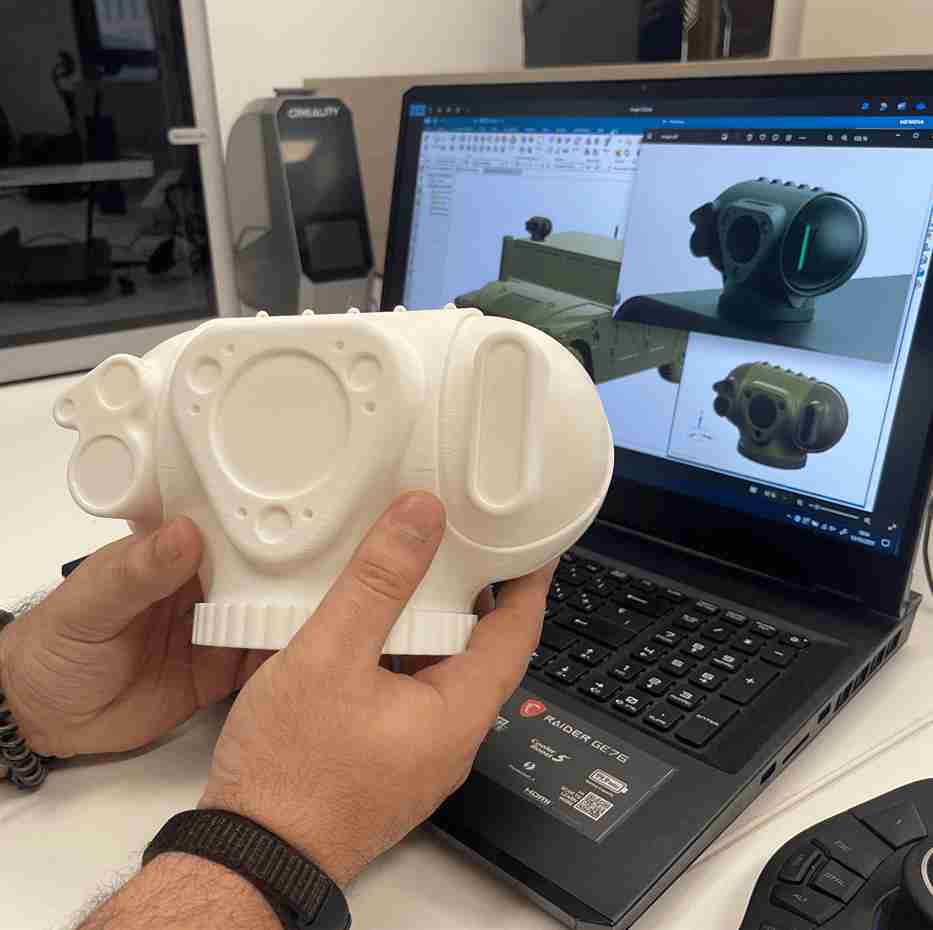
Projects
Swork done in Prototyping and examples of prototyping
-
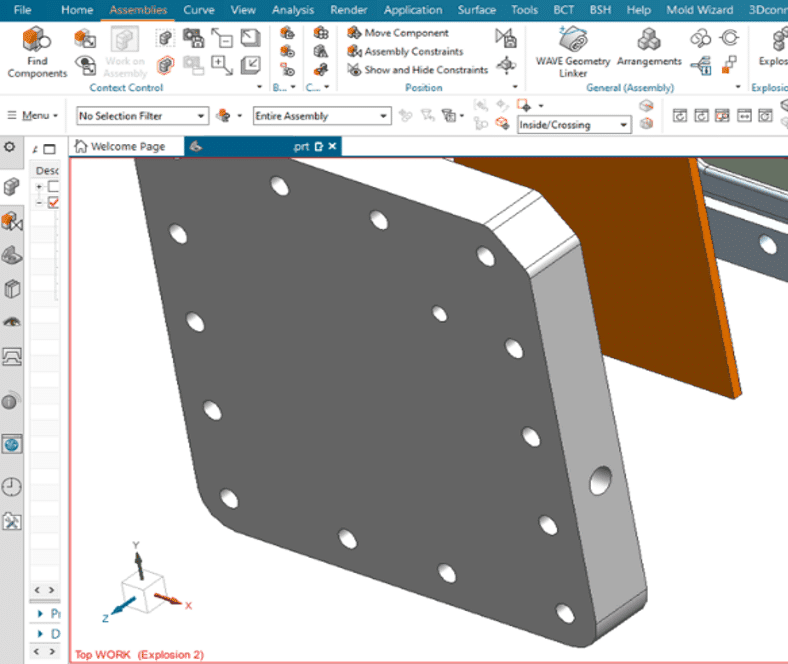
 3D printing – MVP – MLP
 Product development
Design and manufacture of reactors using 3D printing
-
 3D printing – MVP – MLP
 Product development
Product development through elastomer mold making and 3D printing
-
Electrical – electronics components

-
 Simulation – Digital Services – AI
-
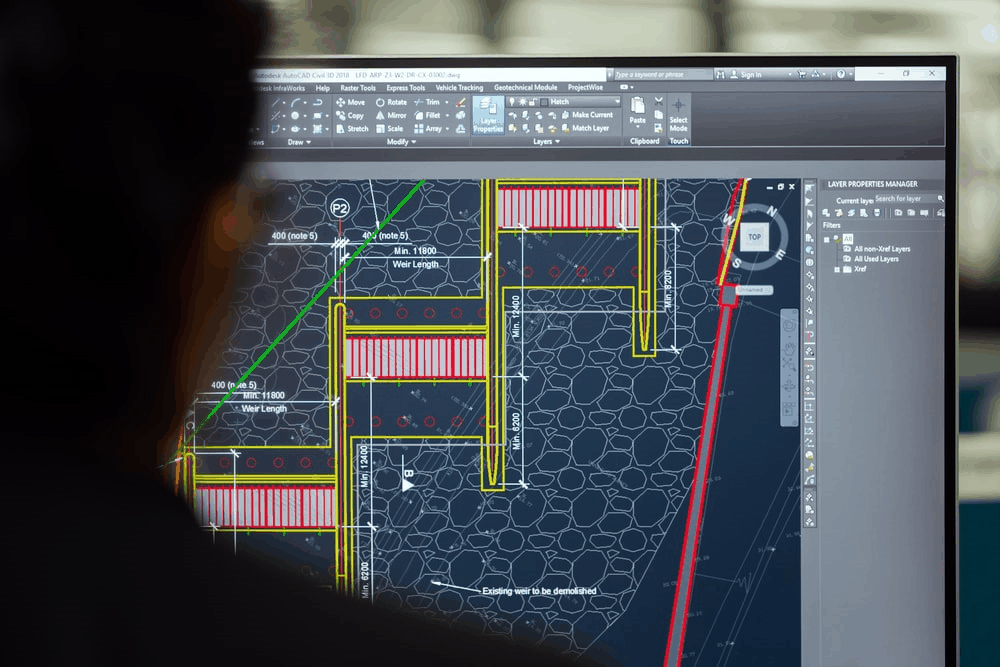 Simulation – Digital Services – AIProduct development
Fluid dynamic simulation for the design of a compact, high power aeration device
-
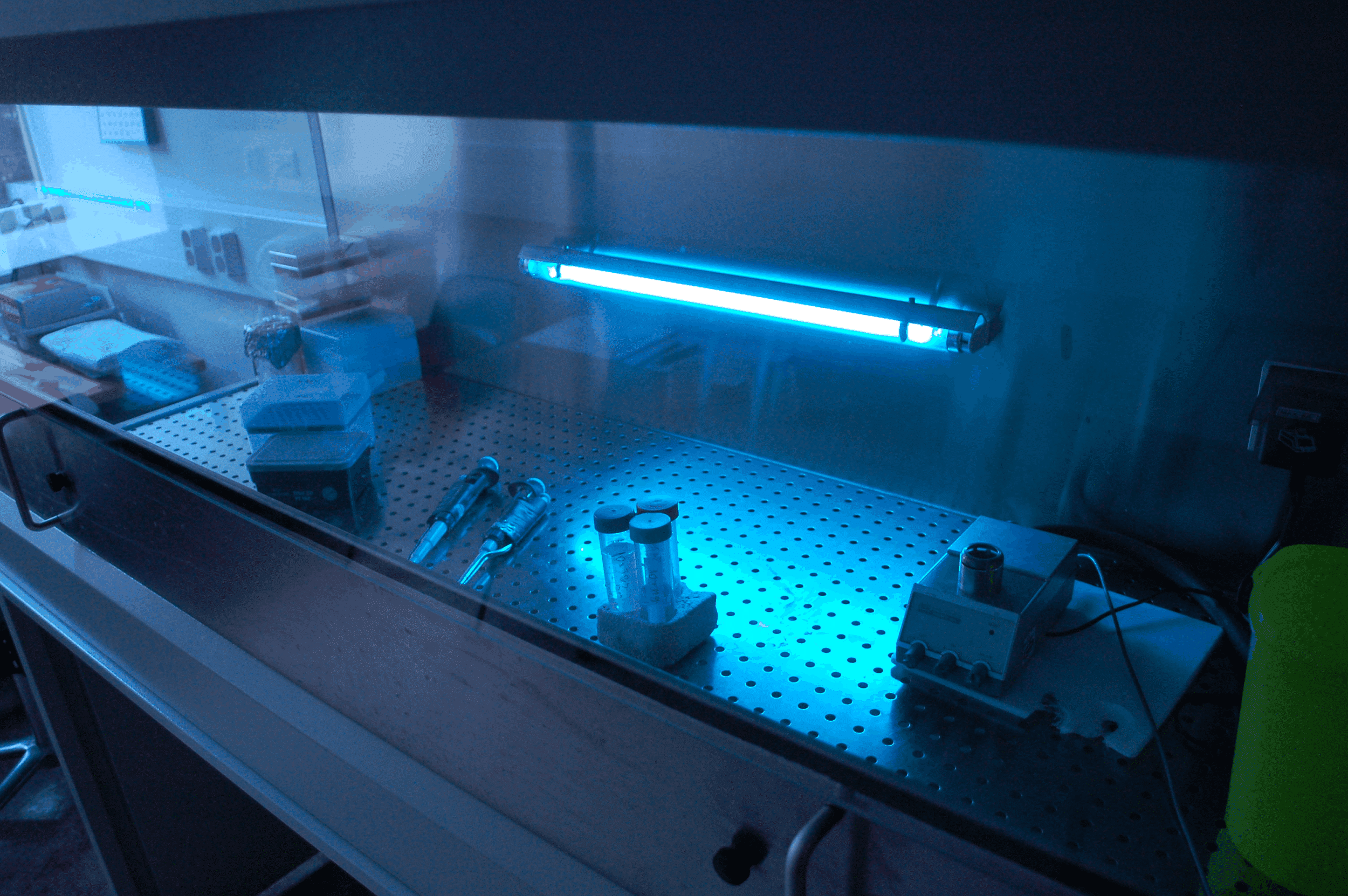 Ultraviolet
 Product development
Optimization of ultraviolet light devices for air disinfection
-
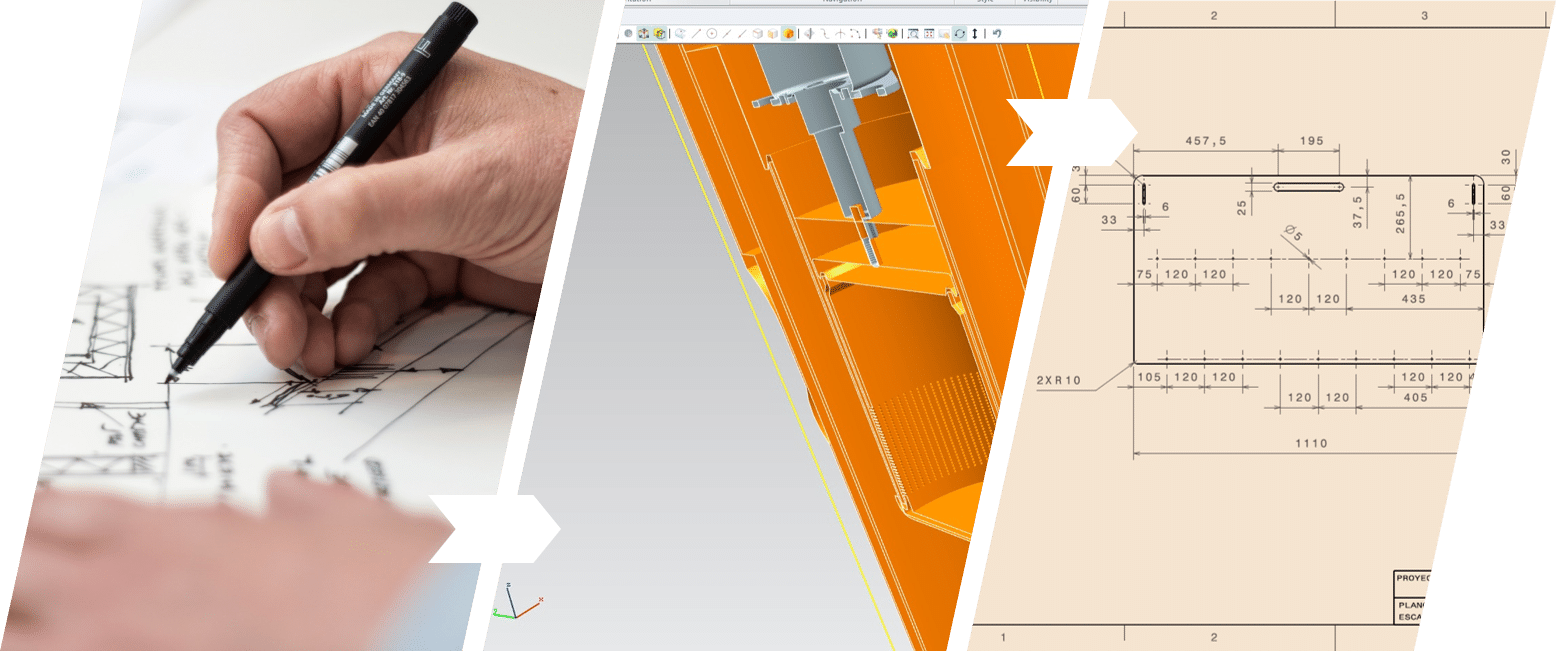 Redesign – new productsProduct development
Technical feasibility analysis for a new appliance
-
 Simulation – Digital Services – AIProduct development
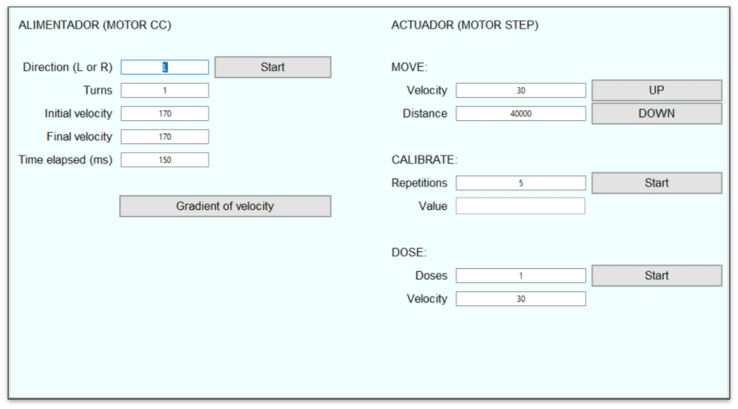
Development of an application to control a device
-
 Redesign – new productsProduct development
User study to validate a new product interface
-
 3D printing – MVP – MLP
 -
 3D printing – MVP – MLPProduct development
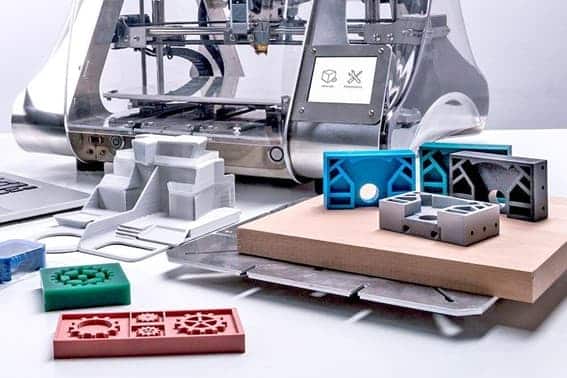
3D printing prototyping and testing of a laser engraving robot
-
 Simulation – Digital Services – AIProduct development
Design and development of a mobile application for laboratory data management
-
 Electrical – electronics components
 -
 3D printing – MVP – MLP
 Product development
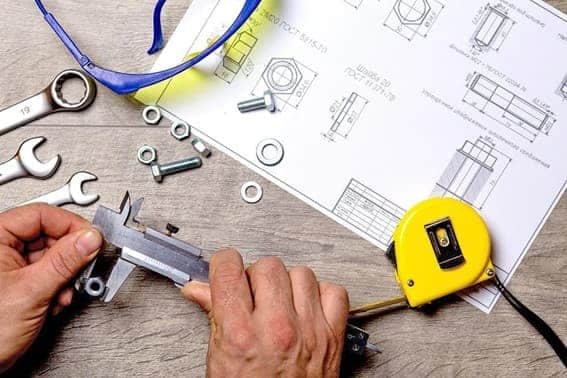
Digitization of parts and tooling design for laboratory use
-
 Electrical – electronics components
 -
 3D printing – MVP – MLPProduct development
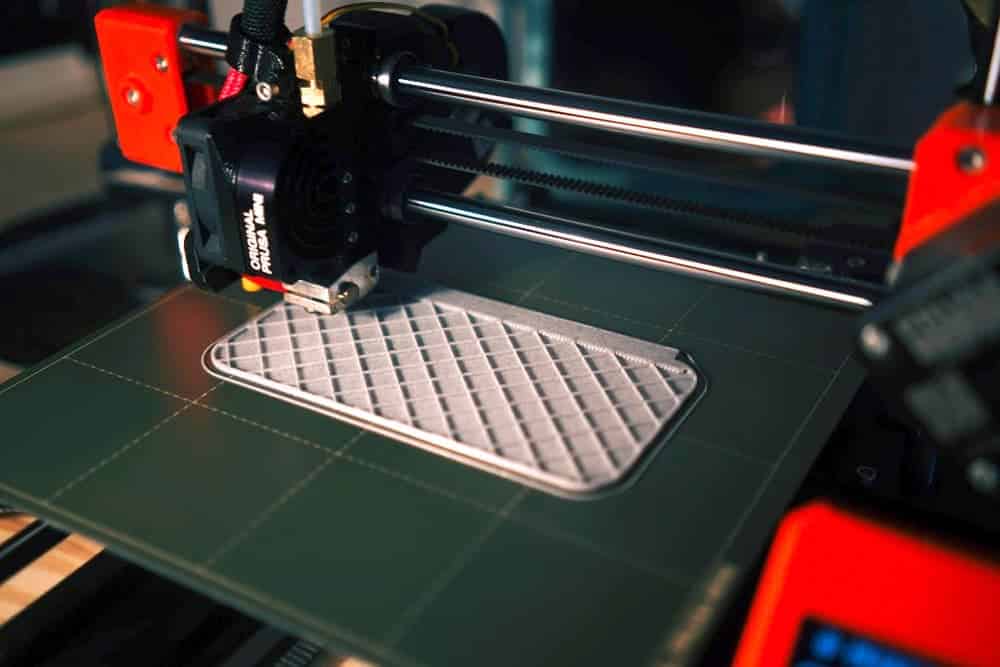
Design and manufacture of a customized tooling for laboratory tests
-
 Life tests – accelerated tests – homologation
 Product development
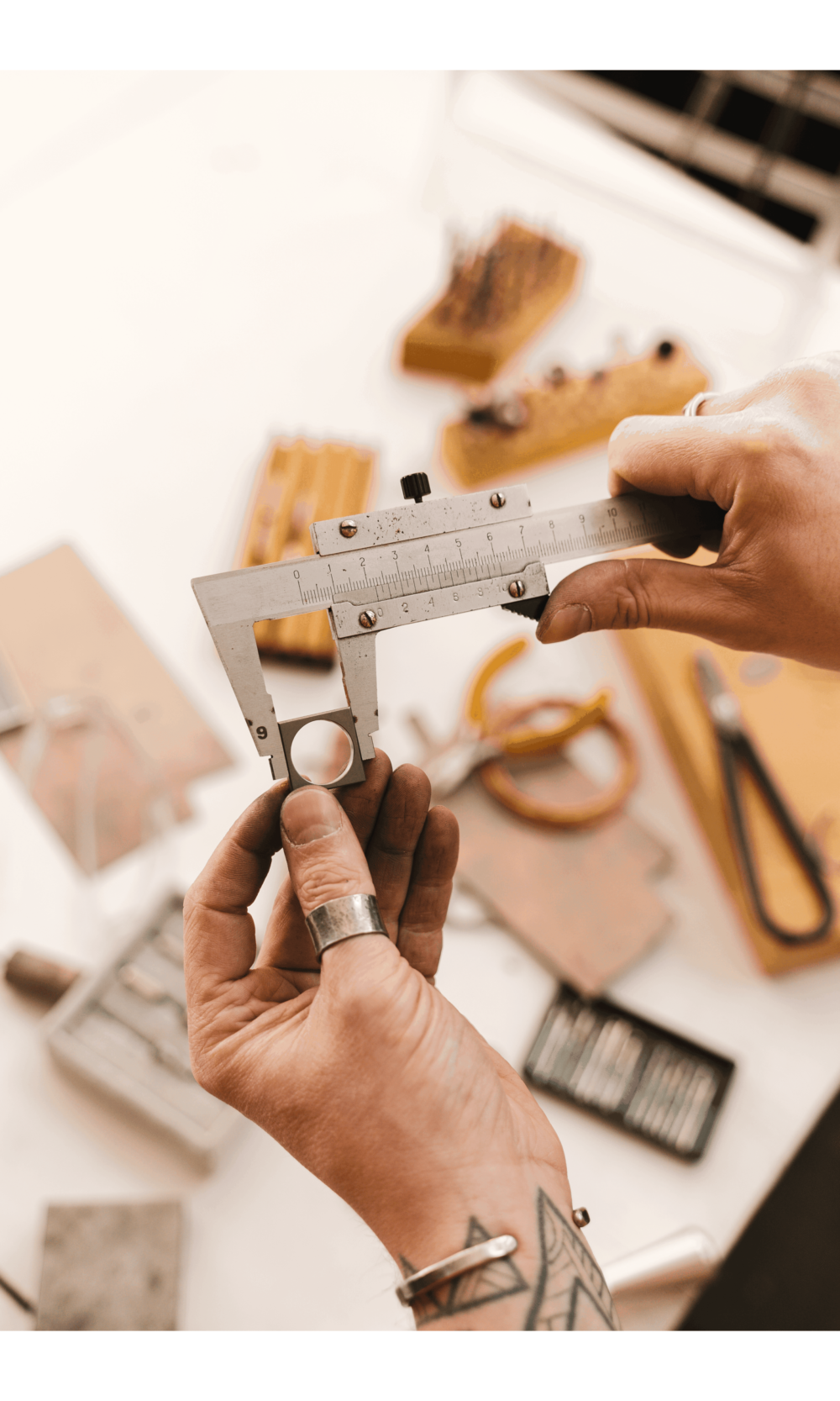
Design and manufacture of plastic homologation supports
-
 LaserProduct development
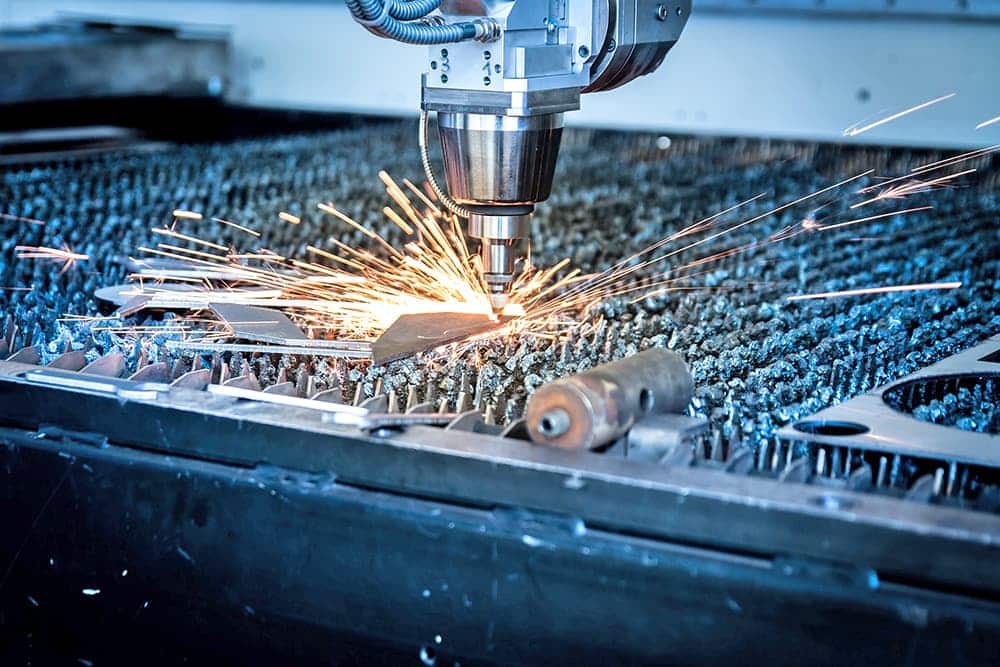
Tooling programming for laser engraving of parts with complex geometry
-
 Redesign – new productsProduct development
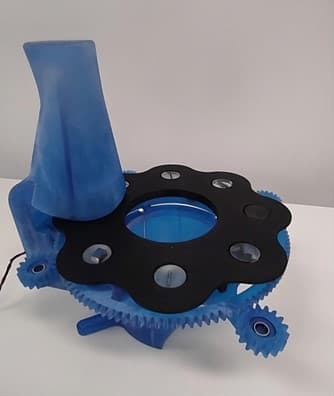
Design and Manufacturing of an Automatic Rotating Platform for Samples
-
 LaserProduct development
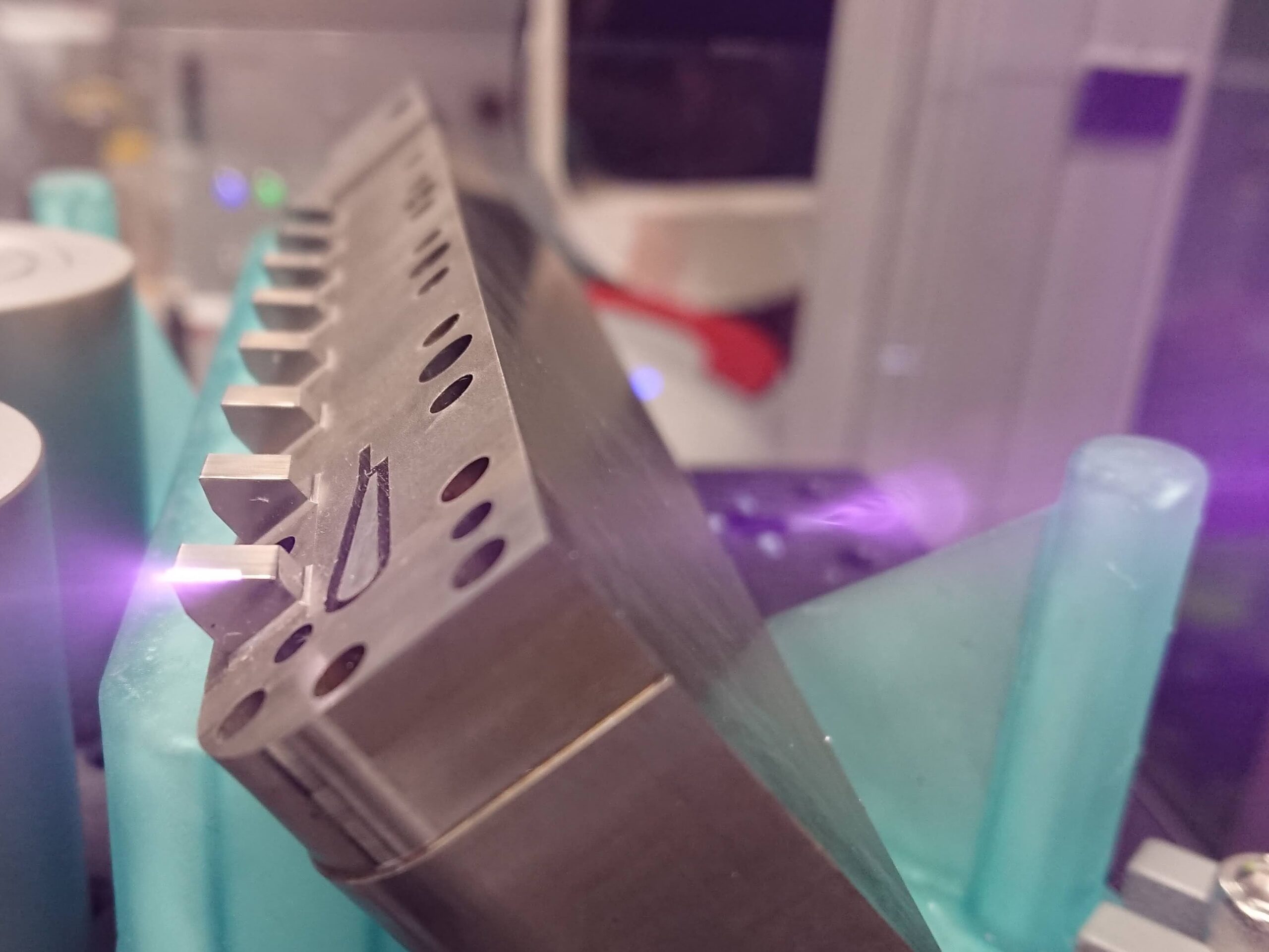
Design and manufacturing of tooling for laser marking processes
Prototyping and prototype manufacturing FAQs
Faqs
what is industrial prototyping and what is it for?
The industrial prototyping is the process of transforming a concept or technical design into a physical and functional element that allows to validate solutions before mass manufacturing. it serves to detect design errors in early stages, reduce technical uncertainty and make decisions based on experimental data, avoiding cost overruns and failed industrializations. In INFINITIA, prototyping is conceived as a strategic tool that connects design, material selection, manufacturing processes and technical validation within a global process of industrial product development .
what types of prototypes does INFINITIA manufacture?
INFINITIA manufactures four main types of prototypes depending on the degree of maturity of the project:
- Conceptual prototype : to validate geometries and ideas in the initial phases.
- Functional prototype : made with representative materials to evaluate real behavior under service conditions.
- Validation prototype or pre-series: aimed at verifying manufacturability, tolerances and regulatory compliance before mass production.
- Custom or experimental prototype : designed for specific tests, proofs of concept or R&D projects.
This diversity allows you to adapt the prototype type to the exact moment of the project and its technical objectives. If you are not sure which one you need, the usual starting point is a phase of ideation and definition of concept that allows you to narrow the focus before starting any manufacturing.
what industrial sectors do you have INFINITIA experience in prototyping?
INFINITIA has proven experience in prototyping for sectors such as automotive, aerospace and energy, manufacturing and equipment goods, medical devices, food industry and packaging, as well as R&D projects and industrial startups.
ZXTTAGCZ In each environment, the prototyping is adapted to the regulatory and technical requirements of the sector. For example, in automotive we validate mechanical behavior and dimensional tolerances under demanding conditions; in medical devices, the process is oriented to functional safety and compliance with prerequisites to certification. you can consult practical cases of our projects in the section of work carried out in product development .
what is the difference between an MVP, a PME, and a Proof of Concept (PoC)?
They are three different tools within the prototyping process, with complementary objectives:
- The Proof of Concept (PoC) checks whether an idea is technically viable before investing in development. for example, check if a closing mechanism withstands the intended usage cycles before designing the final part. The Minimum Viable Product (MVP) is the smallest version of the product that allows real learning with users or customers with minimal effort. for example, a functional version of a device without a definitive housing that allows to validate the user’s interaction. you can expand this concept in our article on what an MVP is and how to apply it ZXTTAGMZ .
- The XXTAGZ Exciting Minimum Product (PME) ZXTTAGRZ goes a step further: it includes the attributes that generate a positive user experience, not just the minimum functional ones. for example, a careful surface finish or a worked ergonomics that already appears in the first version presentable to the client.
In INFINITIA we help decide which is the most appropriate approach according to the maturity of the project and the resources available.
what manufacturing technologies does INFINITIA use to prototype?
INFINITIA employs various technologies according to prototype type and project requirements. Among the most used are additive manufacturing (3D printing), CNC milling, laser cutting and precision machining processes. the choice of the most appropriate technology in each case is part of the process itself selection and testing of technologies that we apply before manufacturing, avoiding decisions that then negatively condition the design or cost. If you want to delve into one of the most demanded, you can consult our article on 3D printing for agile manufacturing of prototypes . The combination of these technologies allows to manufacture prototypes with high level of geometric detail, representative materials and reduced delivery times. the rapid prototyping stands out for its ability to materialize a design on the same day, at a fraction of the cost of traditional processes.
how is prototyping integrated with mechanical development and 3D design?
Prototyping is a phase within a wider development flow. In INFINITIA it usually starts from the previous work of conceptual design, 3D modeling and optimization of parts, ensuring that the prototype is consistent with the criteria of functionality, tolerances and manufacturing processes planned for the final product. This integration makes the difference especially in parts with complex geometries or in projects where the material behaves differently depending on the process: a piece designed without taking into account that it is going to be machined may require impossible or very expensive operations, while one thought from the beginning for additive manufacturing can be greatly simplified. the use of the 3D scanned and parts digitization adds an additional layer of precision when working from existing physical parts or reverse engineering references.
what happens after the prototyping? does INFINITIA also accompany the manufacturing phase?
Yes. having INFINITIA as an external technical partner allows to maintain the coherence of the project beyond the prototyping, also covering the validation of industrial suppliers, the monitoring during the production and the design of tools and elements to support manufacturing.
This end-to-end accompaniment model (from idea to series) reduces the risks associated with changing interlocutor between phases and ensures that decisions made during prototyping are correctly transferred to production.
does industrial prototyping include testing and technical validation?
Yes. In INFINITIA, prototyping is not limited to manufacturing a part: having a specialized external technical team allows to evaluate the prototype through functional tests adapted to the requirements of the project, with objective and independent criteria. depending on the case, this may include analysis of mechanical, thermal or chemical behavior, durability tests such as the ZXTTAGCZ accelerated aging tests , verification of tolerances or verification of compliance with regulatory requirements under standards such as ISO, UNE or ASTM according to the sector and the type of product.
This test capability differentiates the service of INFINITIA from a simple manufacturing supplier: the results are converted into actionable technical information to improve the design before it reaches production.
can INFINITIA help a startup or entrepreneur develop their first prototype?
Yes, and it is one of the profiles we work with most often. for startups and industrial entrepreneurs, having an external technical partner such as INFINITIA allows you to move from the idea to the validated object without compromising large resources or assuming the structure of an own engineering team. we accompany from the technical definition of the product to obtaining a functional prototype that can be tested with real users or presented to investors, following the steps we detailed in our article on how to develop innovative products . This multidisciplinary support (which combines engineering, materials and processes in the same team) significantly reduces time and risk in the early stages of the project.
How can I request a prototyping service in INFINITIA?
You can contact INFINITIA through the form on this page or through our ZXTTAGCZ contact page . our team responds preferentially and, depending on the urgency and budget of the project, we guide you on the most appropriate type of prototype and the steps to follow from the first moment.
how much does it cost to make an industrial prototype?
The cost of an industrial prototype varies depending on the geometric complexity of the part, the necessary materials, the manufacturing technology used and the level of validation required. indicatively, a conceptual prototype manufactured by 3D printing can be solved for a few hundred euros, while a functional prototype of pre-series with associated technical tests can be placed in a range of several thousand, depending on the sector and the applicable regulatory requirements. key aspect: the cost of prototyping should always be compared to the cost of non-prototyping. failures detected during the design phase are exponentially cheaper to correct than those detected in mass production, involving reworks, defective tools or recall product. If you want an estimate adjusted to your project, you can ask us for a no-obligation quote through the contact form ZXTTAGGZ : the usual deadlines are around 1 to 4 weeks, and for urgent cases we have an urgent contribution modality with response in 24 to 72 hours.
what differentiates INFINITIA from other prototyping services?
INFINITIA is not a prototype manufacturing workshop for use: it is an external technical partner with its own capacity in materials, testing and product development. this means that the prototype is not delivered as an insulated part, but within a technical process that includes definition of requirements, design iteration, testing validation and preparation for industrialization. In addition, our multidisciplinary team integrates mechanical engineering, materials science and manufacturing processes, which allows to address complex projects in demanding sectors such as automotive, medtech or aerospace. If you want to know the approach and the values that guide our way of working, you can visit the section on our team .