


What was the challenge or problem to solve?
Is there a relationship between bread preparation conditions and the presence of toxic compounds categorised as carcinogenic such as acrylamide and polycyclic aromatic hydrocarbons (PAHs)? This was the challenge faced by INFINITIA after a request from one of our clients in the food sector.
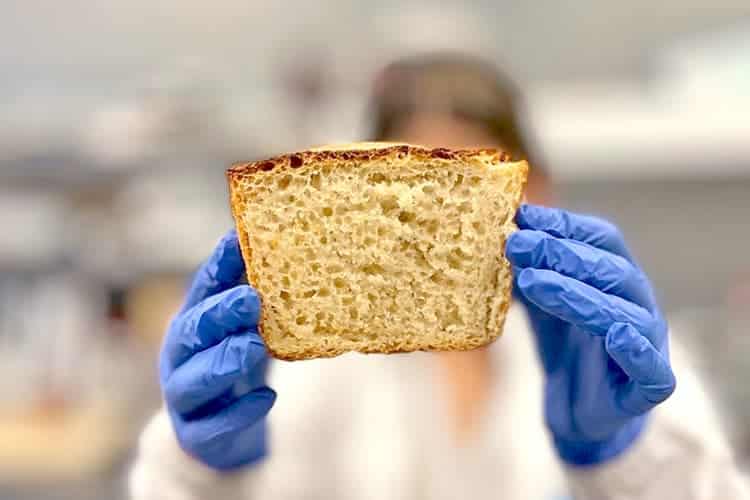 The project required the validation, improvement and fine-tuning of a semi-quantitative analytical method to identify, analyse and compare analytes in a complex matrix. The objective was to provide information on the presence of acrylamide and PAHs in the different samples analysed. In this way, our client was able to reach different conclusions on how the baking conditions of bread influence the presence of these potentially toxic compounds.
 How was it addressed or what was the solution?
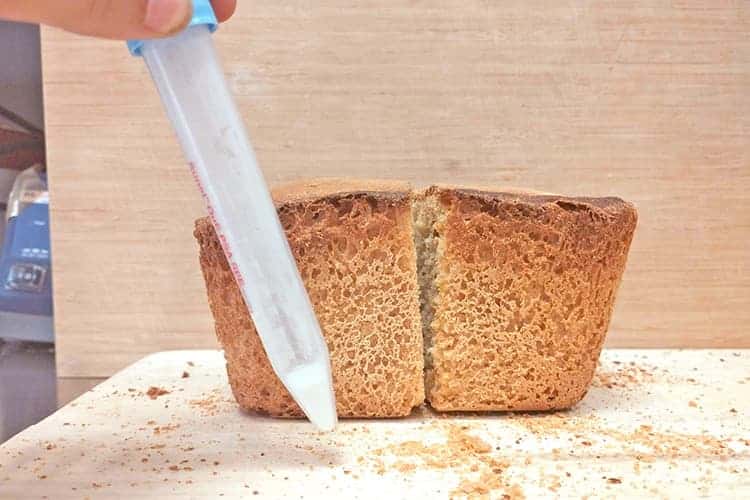
We started the project with an initial literature search. Then, a series of preliminary tests were carried out to fine-tune the analytical method. In these tests, different extraction and purification conditions of the analytes were experimentally studied in order to find the most appropriate ones for this type of compounds and matrix. In addition, the analytical method of the chromatography equipment was defined and adapted to the specific case, confirming its validity for this type of samples.
The samples were subjected to analytical treatment using ultrafreezing, extraction and purification techniques in order to preserve the samples, isolate the chemical compounds of interest and avoid possible interferences. Initially, an ultrafreezer was used to avoid degradation of the samples and to facilitate their crushing. During the analysis, a solid phase extraction (SPE) as well as an extraction and purification process using the QuEChERS method was carried out. The aim of these techniques was, from the initial sample, to isolate the analytes in a representative sample as clean as possible, thus minimising the presence of other compounds that could hinder or eclipse the signal of the compounds to be analysed (in this case PAHs and acrylamide).
The analysis of the samples was performed by HPLC-MS (acrylamide) and GC-MS (PAHs). Signal identification and processing was performed using chromatography software and the NIST database. Moreover, the calculation of concentrations, data processing and interpretation of results were performed with the support of statistical tools.
The results obtained were essential for our client to know the influence of baking conditions on the presence of these compounds in breads, and to be able to design improvement strategies.