


Our customers
We are your trusted partner in industrial engineering





























Product Development
Product development is a specialised technical service that INFINITIA uses to transform ideas, industrial needs or technical challenges into functional, validated products ready to progress towards manufacturing or industrialisation. This process can cover everything from initial conceptualisation to proof-of-concept testing, prototype design, MVP development, pre-series production and manufacturing support.
In our product development approach, we combine mechanical engineering, electronics, industrial design, simulation, materials selection, prototyping and experimental validation capabilities throughout the development process. This comprehensive perspective enables us to assess not only the product’s form or functionality, but also its technical feasibility, its performance under real-world conditions and its ability to be manufactured efficiently.
The aim is to provide a robust technical solution that helps accelerate time to market, optimise resources and increase the product’s chances of success. This service is particularly relevant in industrial environments where design, functionality, reliability and scalability directly determine the competitiveness of the final product.
Talk to a specialist
Request a free initial consultation; contact a consultant from our team of specialists

What does product development involve?
What is it?
Product development is the technical process through which an initial idea, need or concept is transformed into a physical, functional solution ready for use or manufacturing. This process involves analysing requirements, studying users and the market, defining specifications, generating concepts, designing components, manufacturing prototypes and assessing product performance before moving on to production stages.
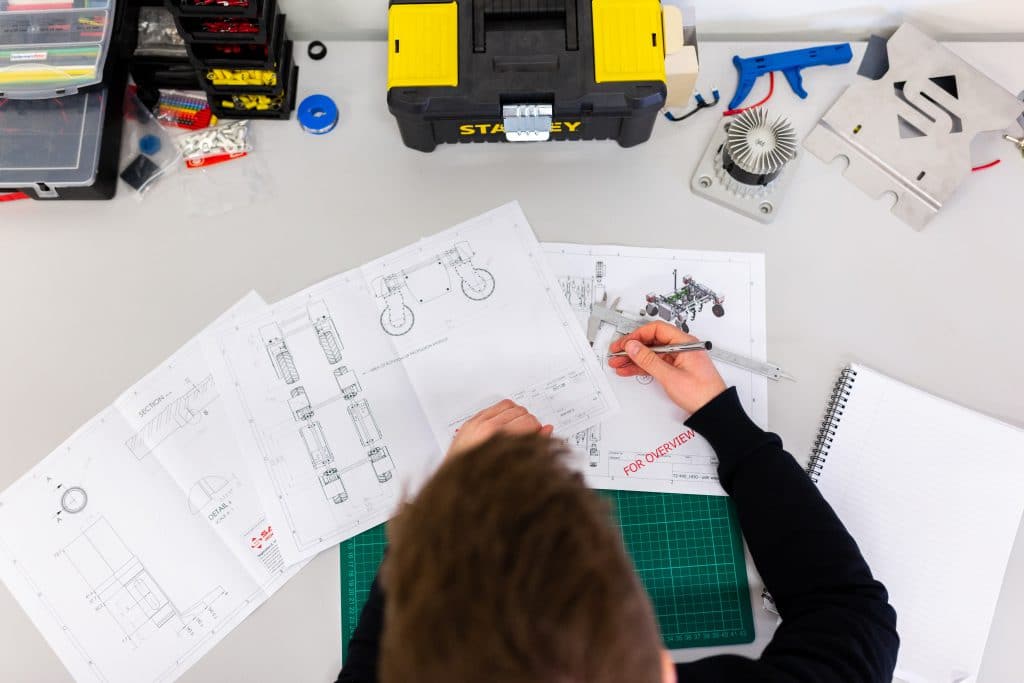
Unlike approaches that focus solely on aesthetic or conceptual design, industrial product development integrates various technical disciplines to ensure that the product can function correctly in its real-world environment, which is essential for market research. This includes mechanical, electronic and functional development and, where necessary, the integration of software, hardware, sensors, actuators or control systems.
At INFINITIA, this service is delivered using a structured methodology that may include conceptual design, proof of concept, demonstrators, functional design, prototyping, MVP, pre-series production and technical validation. Each phase helps to answer a specific question: whether the idea is viable, whether the technology works, whether the product meets a real need, whether it can be manufactured, and whether it meets the defined requirements.
As a result, the product development team enables a concept to be turned into a tangible solution, reducing errors in the initial planning stage and preventing the project from proceeding to the manufacturing stage based on unverified assumptions. This approach helps to organise the project from its earliest stages and to make technical decisions with greater confidence throughout the development cycle.
Product development at INFINITIA
At INFINITIA, product development is approached as a comprehensive process aimed at transforming a need into a viable technical solution. This approach is not limited to the design of a component or the manufacture of a prototype, but encompasses the analysis of the problem, the definition of requirements, the validation of hypotheses and the preparation of the product for subsequent manufacturing stages.
Unlike other approaches based solely on creativity or formal design, product development at INFINITIA is underpinned by technical and experimental capabilities. This enables us to evaluate materials, components, mechanisms, electronics, manufacturing processes and conditions of use before finalising a solution, thereby ensuring viability throughout the product’s life cycle.
At INFINITIA, product development begins with preliminary market research, user analysis and the definition of specifications in the context of a product launch. From there, concepts are developed, critical technologies or components are tested, prototypes are designed and the product is refined through technical iterations, always seeking ways to accelerate development. Where the project requires it, we also progress to MVP, pre-series production, type approval or support for industrialisation, which facilitates the product launch.
As a result, product development helps to reduce risks, improve design quality, optimise resources and increase the product’s chances of success in the market, thereby helping to improve the product. Furthermore, it facilitates technical decision-making in projects where innovation, functionality and industrial viability must advance in a coordinated manner.
Benefits of applying a product development strategy
benefits
Product development makes it possible to tackle complex industrial projects through a structured process in which decisions are supported by technical analysis, prototypes and progressive testing. This is particularly important in the product development process when working with new products, unproven technologies, critical components or demanding functional requirements.
Unlike a development process based solely on intuition, preliminary design or direct manufacturing, a structured process allows for the technical, economic and functional feasibility of the product to be analysed in advance. This approach helps to identify limitations in materials, components, geometries, manufacturing processes, assemblies or user experience before the product reaches the market, thereby improving product management.
At INFINITIA, this type of project combines technical analysis, design, simulation, prototyping and testing. Proof-of-concept testing enables critical principles to be validated; demonstrators help to verify key functionalities; and MVPs allow an initial usable version of the product to be evaluated before investing in more comprehensive development.
As a result, product development helps to reduce costs, shorten iteration times, improve functionality and increase product reliability, thereby accelerating product development. It also facilitates coordination between R&D, quality, production, procurement and management departments, creating a common technical foundation to move forward with greater control throughout the product development cycle.
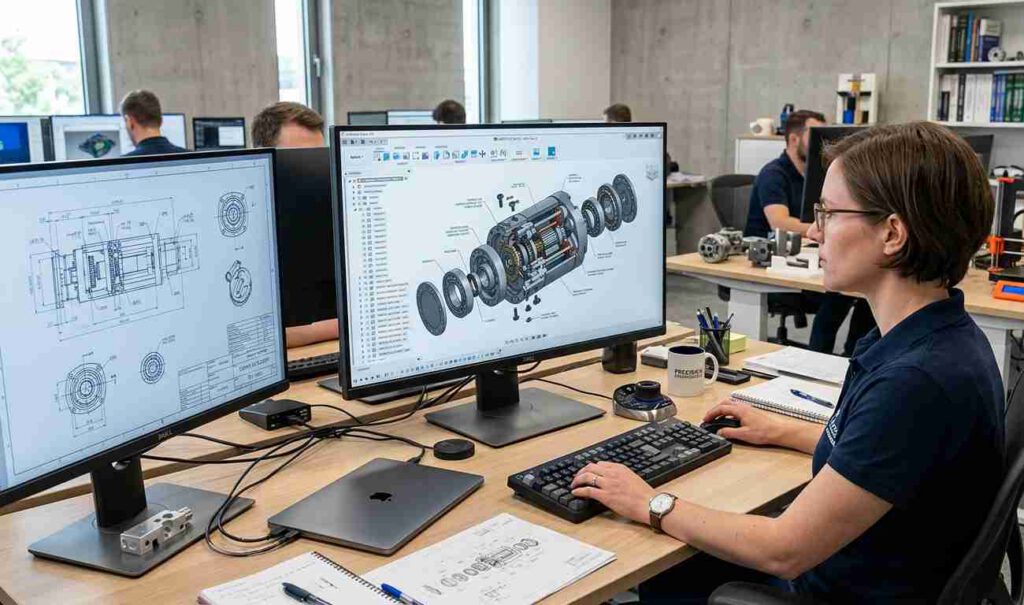
What benefits does Infinitia offer through product development?
At INFINITIA, we approach every product development project with a focus on transforming ideas and technical requirements into functional, viable solutions that are ready for industrial production, integrating design, engineering and validation at every stage of development.
Our experience across a range of industrial sectors enables us to prioritise the critical aspects of each product, from conceptualisation through to prototyping and manufacturing, acting as an integrated technical support team to ensure that every design decision results in practical, functional solutions that are aligned with the project’s technical and production objectives.
- We develop concrete and actionable technical solutions, based on design, prototyping and experimental analysis, ensuring reliable decisions at every stage of the project.
- We turn ideas into tangible products using a step-by-step approach that takes us from conceptualisation to a proof-of-concept, from a proof-of-concept to a prototype, and from a prototype to pre-production or manufacturing stages.
- We work across the board with teams in R&D, design, production, quality and procurement, providing a comprehensive overview of the product, its technical requirements and its industrial feasibility.
- We apply methodologies covering conceptual design, proof of concept, MVP, prototyping and pre-production to organise the development process, validate critical components and prepare the product for scaling up.
- From products developed from scratch to enhancements to existing solutions, we tailor the scope of development to each technical, functional and operational requirement.
services
How do we at Infinitia approach product development?
INFINITIA’s approach to product development is based on combining different technical capabilities, which are deployed depending on the maturity of the product idea, the product requirements and the manufacturing objectives. This modular approach allows the scope of work to be tailored, from initial conceptualisation through to prototyping, functional validation or support for industrialisation, covering all stages of product development.
The following are the main approaches that form part of a product development project:
-
Product Development
Mechanical Development
Mechanical Development Contact us What is Mechanical Development Mechanical development is one of the areas in which we work the most in our prototyping team.…
-
Product Development
Product Manufacturing
Product Manufacturing Contact us What is Product Manufacturing? In Infinitia’s workshops, we participate in the product manufacturing processes on a small scale, participating directly in…
-
Product Development
Prototyping and prototype manufacturing
We believe that a continuous testing of prototypes is very important throughout the process; since we can solve many issues, such as the Durability of…
-
Product Development
Design and Innovation
Design and Innovation Contact us What do we understand by Design and Innovation? At INFINITIA we tackle the product design process, adding value to the…
Stages of a product development strategy
Stages
At INFINITIA, product development is approached using a structured methodology that enables an initial idea to be transformed into a functional, validated solution ready for industrialisation. Each stage of the process has a specific technical objective and helps to reduce uncertainty before moving on to subsequent phases.
This approach combines design, engineering, validation and manufacturing, ensuring that the product is not only conceptually viable, but also functional, manufacturable and competitive under real-world conditions.

01. Concept design
The initial phase in which all the initial information is studied, defined and analysed in order to carry out the ideation process. The aim is to create product concepts that are viable, feasible and desirable for both the customer and the business.
What’s included?
Preliminary study and development
Output: EDP design specifications
Ideation and Concept
Development Phase – Output: Defining areas of focus and generating concepts

02. Demonstrator
A demonstrator is a simplified version of the final product used to demonstrate its features and functionality. The aim is to provide a preview of the final product so that people can evaluate it before it is launched on the market.
What’s included?
Functional design, proof of concept and validation
Output: Validation of the idea, demonstrator
03. Pre-series
A pre-production run is a small batch of products manufactured prior to full-scale production. The aim is to ensure that the production process is efficient and that the final product meets quality requirements and design specifications.
What’s included?
Development, testing and refinement
phase. Output: Product validation, pre-production

04. Type-approval
It is the certification and approval process carried out to ensure that a product complies with the technical, safety and environmental standards and regulations required for its marketing and use in a specific market.
What’s included?
Output certification
phase: Certified product
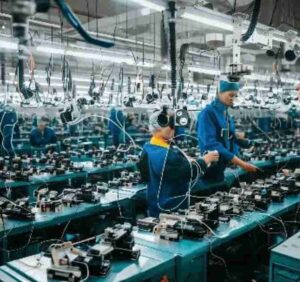
05. Mass production
It is the process of producing large quantities of identical products using an assembly line. Specialised tools and machinery are used to manufacture the components and assemble them into a final product in a repetitive and efficient manner.
What’s included?
Manufacturing
phase – Output: Marketable product
Types of product development we work with and their differences
types
At INFINITIA, product development is tailored to the specific technical requirements, the maturity of the idea and the ultimate objective of the project. Not all development projects require the same scope: some need to validate a technology, others to improve an existing product, and others to progress from an initial idea to a pre-production run.
Our aim is to integrate our various capabilities in design, engineering, prototyping and validation to develop viable, functional products that are ready for their real-world environment.
New product development
New product development comes into play when a company needs to turn an idea or a market need into a concrete physical solution. This process includes initial analysis, requirements definition, concept generation, technical design, prototyping and validation.
At INFINITIA, this approach enables us to support the project from its earliest stages, helping to define what the product should do, how it should work, what materials or components it requires, and what technical constraints might affect its development.
This type of project is particularly useful when seeking to launch a new solution, explore a market opportunity or develop an industrial product with distinctive features, following a product roadmap.
Development of aesthetic prototypes
The development of aesthetic prototypes makes it possible to visualise the final appearance of a product before it is manufactured. These prototypes are useful for validating form, ergonomics, finishes, proportions, visual perception and user experience, thereby contributing to the product’s design.
At INFINITIA, these prototypes can be produced using 3D printing, machining, professional finishes, painting, assembly or photorealistic models. The aim is not necessarily to validate full functionality, but to represent the product realistically.
This type of development is particularly useful for internal presentations, user validation, securing investment, defining product lines or making decisions before moving on to functional prototypes.
Development of functional prototypes or technology validation
Functional prototypes enable us to check whether the product meets the defined technical requirements. Unlike aesthetic prototypes, these are designed to validate performance, durability, assembly, usability, electronic integration and the operation of mechanisms.
At INFINITIA, the development of functional prototypes enables us to evaluate materials, components, mechanical systems, actuators, electronics and software under realistic conditions. This helps to identify technical issues before proceeding to the manufacturing stage.
This type of prototype is key to confirming that the product can operate reliably in its intended application.
MVP development as a stage in the life cycle
The MVP, or minimum viable product, enables the creation of an initial functional version of the product with the essential features needed to validate its usefulness. It is not intended to be a final version, but rather a tool for checking whether the solution meets a real need.
At INFINITIA, MVP development is viewed as an intermediate stage in the development process, bridging the gap between the concept and the final product. It enables us to test critical features, gather user feedback, identify areas for improvement and prioritise changes before investing in full-scale development.
This approach is particularly useful when there is a need to speed up time to market, validate a technical proposal or reduce risk before scaling up the product.
Redesign and improvement of existing products
Product redesign is carried out when an existing product needs to improve its functionality, reduce costs, resolve faults, adapt to new requirements or update its design. It is not always necessary to start from scratch; in many cases, the greatest value lies in improving a solution that has already been developed.
At INFINITIA, this approach may include analysing the current product, identifying limitations, comparing alternatives, optimising materials, redesigning components and experimentally validating improvements.
This type of project makes it possible to enhance the product’s competitiveness, correct deviations and extend its life cycle through well-founded technical decisions.
Manufacturing-oriented product development plan
Manufacturing-oriented development focuses on preparing the product for production. This involves analysing processes, tolerances, assemblies, supplier selection, repeatability, costs and scalability.
At INFINITIA, this approach enables us to move from a working prototype to a manufacturable solution. Materials, geometries, processes and assembly methods are reviewed to prevent production issues, which is essential during the development stages.
This type of development is crucial when the product needs to move on to pre-series production, short-run manufacturing or mass production, thereby reducing the risks associated with industrial scale-up.
Sectors where product development accelerates design, validation and industrialisation
sectors
Product development has applications across a wide range of industrial sectors, as any physical solution must integrate design, functionality, materials, manufacturing and user experience within a single process. However, each sector has different technical, regulatory and operational requirements, which means that the development approach must be adapted to the specific environment and actual operating conditions.
At INFINITIA, we approach product development by combining engineering, design, prototyping and technical validation to transform ideas into viable solutions ready for industrial production. This approach helps to reduce uncertainty during the development stages, optimise decision-making and ensure that the product meets functional, production and market requirements.
Product development for start-ups: MVP validation and innovative solutions
In start-ups and new development projects, the main challenge is to transform an idea into a functional product that can be validated both technically and commercially before making significant investments in industrialisation. Product development helps to reduce uncertainty, prioritise features and validate hypotheses at an early stage of the project.
- Development of MVPs and proof-of-concepts: new product ideas, design of functional versions aimed at validating technologies, critical functionalities and user experience.
- Optimisation for rapid iteration: development of solutions tailored to prototyping, testing and continuous improvement during the early stages of the product.
- Technical validation prior to industrialisation: materials analysis, integration, manufacturing and functional performance to minimise risks during scale-up.
At INFINITIA, we help start-ups and innovative companies to accelerate the development of new products through engineering, prototyping and technical validation, facilitating the transition from the initial idea to solutions ready for manufacturing and the market.
Automotive product development: components for dynamic conditions and intensive use
In the automotive sector, products must meet high standards in terms of safety, durability, weight and repeatability, whilst maintaining stable performance under real-world operating conditions. Product development in this sector requires the integration of materials, mechanical design and manufacturing processes capable of withstanding vibrations, dynamic loads and continuous thermal variations.
- Development of components for dynamic loads: design of parts and systems capable of withstanding vibrations, impacts, cyclic stresses and prolonged mechanical loading.
- Optimisation of geometries and materials: selection of materials and structural configurations that reduce weight without compromising strength or functionality.
- Manufacturing-oriented integration and assembly: development of components tailored to repetitive production processes, ensuring dimensional stability and the reliability of the assembly.
At INFINITIA, we develop automotive-focused solutions by combining technical design, prototyping and functional validation to optimise product performance and facilitate its industrialisation.
Product development in the energy sector: solutions for continuous operation and demanding environments
In the energy sector, products must operate continuously under severe conditions of temperature, pressure and environmental exposure. Product development requires the integration of materials, design and processes capable of ensuring stability, durability and operational efficiency.
- Development of solutions capable of withstanding prolonged operation: design of components and systems capable of withstanding demanding thermal, chemical and mechanical conditions.
- Optimisation of materials and coatings: selection of materials and treatments suited to harsh environments and durability requirements.
- Development tailored to real-world operating conditions: validation of the product’s performance under thermal cycling, pressure or environmental exposure prior to mass production.
At INFINITIA, we develop products tailored to demanding energy environments, combining design, material selection and technical validation to enhance the reliability and industrial viability of the solution.
Electronics product development: embedded systems for stability and functional reliability
In electronics, product development must integrate mechanical, electronic and thermal components into compact and functional solutions. Miniaturisation, heat dissipation and systems integration mean that even minor design decisions have a direct impact on the stability and reliability of the final product.
- System and component integration: the development of assemblies that combine electronics, mechanics and functional protection within confined spaces.
- Thermal and structural optimisation: design aimed at controlling heat dissipation, ensuring dimensional stability and providing protection against environmental conditions.
- Development focused on functionality and real-world use: validation of the product’s performance in the face of vibrations, humidity, thermal cycles and prolonged operation.
At INFINITIA, we develop electronic devices and systems by combining technical design, functional integration and prototyping to ensure stability and reliability prior to production.
Product development in the consumer goods sector: functionality, design and user experience
In the consumer goods sector, a product must strike a balance between functionality, aesthetics, durability and user perception within a highly competitive environment. Product development requires the integration of industrial design, material selection and user experience to create solutions that are both attractive and viable from a manufacturing perspective.
- Development focused on real-world use and ergonomics: product design tailored to handling, interaction and real-world conditions of use.
- Optimisation of materials and finishes: selecting solutions that strike a balance between visual appeal, strength, cost and durability.
- Integration of design and manufacturing: development of products ready for repeat production without compromising on aesthetic or functional quality.
At INFINITIA, we develop consumer products by combining design, prototyping and functional validation to enhance the user experience and speed up time to market.
Defence product development: extreme conditions and demanding operational environments
In the defence sector, products and systems must operate under extreme conditions of load, temperature, vibration and environmental exposure, whilst maintaining stability and reliability in critical situations. Product development in this environment requires the integration of materials, design and engineering capable of ensuring durability, functionality and operational robustness, even in highly demanding technical scenarios.
- Development of solutions for extreme environments: design of components and systems capable of withstanding impacts, vibrations, high mechanical loads and severe environmental conditions.
- Optimisation of materials and technical configurations: selection of materials, coatings and geometries designed to reduce weight, increase durability and improve performance in service.
- Development focused on operational reliability: functional validation of the product under real-world operating conditions, including thermal exposure, environmental factors and continuous mechanical stresses.
At INFINITIA, we develop technical solutions for defence applications by combining engineering, prototyping and functional validation, thereby improving product robustness, optimising its operational performance and facilitating its industrialisation in highly demanding environments.
Product development in machinery and industry: technical solutions for manufacturing environments
In the machinery and industrial sectors, products must withstand intensive use, high mechanical loads and continuous operating conditions. Product development in this environment requires the design of robust, functional solutions tailored to demanding industrial processes.
- Development of mechanical components and systems: design of mechanisms, mountings, tools and functional assemblies with a focus on strength and durability.
- Optimisation of assemblies and maintenance: development of solutions that facilitate integration, repeatability and maintenance within the production environment.
- Design focused on operational efficiency: validation of the product’s performance under real-world working conditions and in continuous operation.
At INFINITIA, we develop industrial solutions through engineering, prototyping and technical validation, improving operational efficiency and facilitating product industrialisation.
Product development at INFINITIA to transform ideas into industrial solutions.
Value
Product development is a key process for turning an idea, a technical need or a market opportunity into a functional, viable solution ready for industrialisation. At INFINITIA, we approach this service comprehensively, combining engineering, design, prototyping and technical validation to develop robust products from the earliest project stages through to preparation for manufacturing.
Our approach integrates conceptual design, mechanical and electronic development, simulation, materials selection, prototyping, MVP, functional validation and support for industrialisation. This combination enables us to analyse not only how the product should be designed, but also how it should perform, be manufactured and be integrated under real-world conditions of use and production.
Throughout the process, we work to reduce technical uncertainty, optimise iterations and validate decisions before moving on to phases involving greater investment. This enables us to identify design, integration or manufacturing limitations at an early stage, improving the product’s reliability and accelerating its development without compromising on quality or functionality.
In projects where technology, manufacturing, user experience and industrial requirements come together, having an external technical team enables us to structure the development process and move forward with greater insight and agility. At INFINITIA, we act as a product development department, integrating engineering and validation capabilities to transform concepts into functional, scalable solutions that are ready for the market.
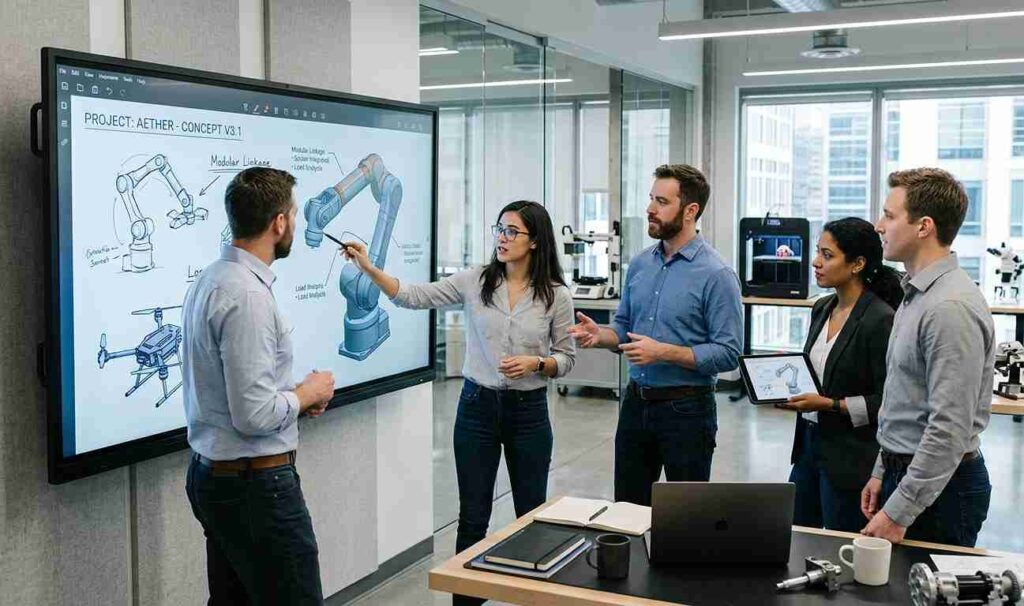
Projects
How do we apply technological innovation to each project?
-
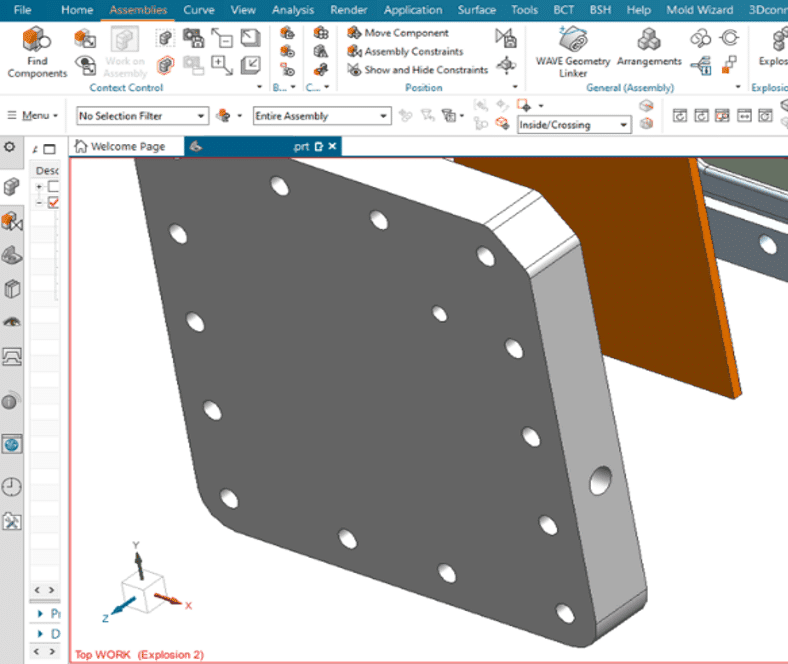
 3D printing – MVP – MLP
 Product development
Design and manufacture of reactors using 3D printing
-
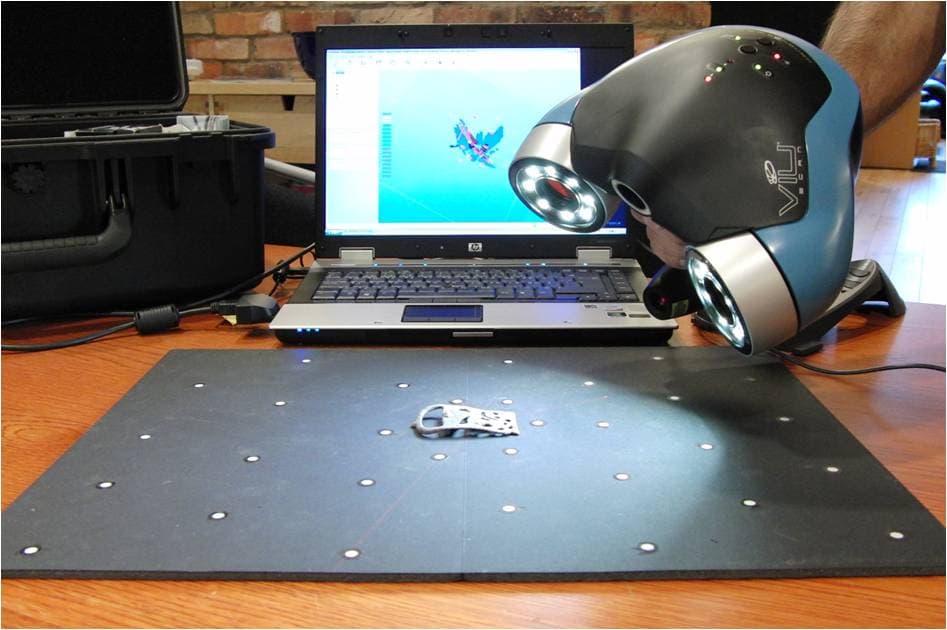 3D printing – MVP – MLPProduct development
Component design by reverse engineering and 3D scanning
-
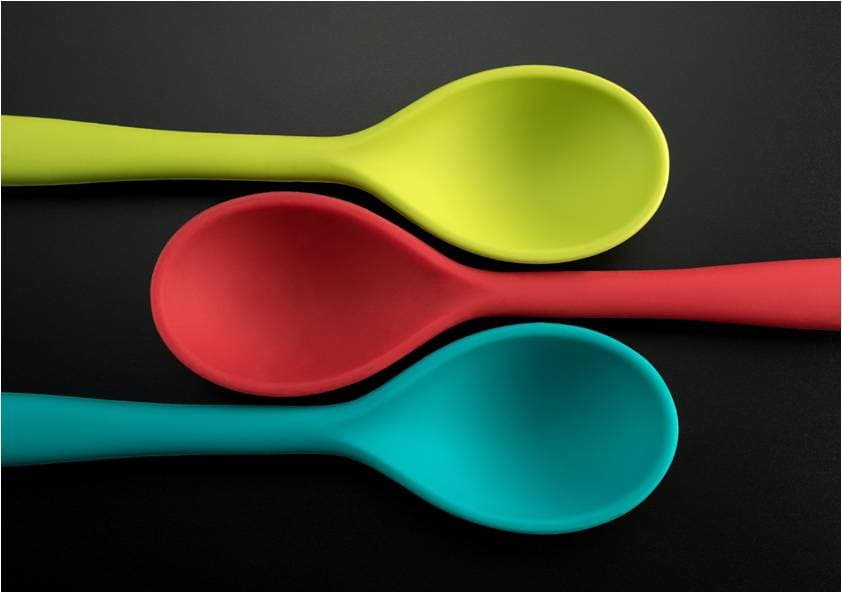 3D printing – MVP – MLPProduct development
Product development through elastomer mold making and 3D printing
-
Electrical – electronics components

-
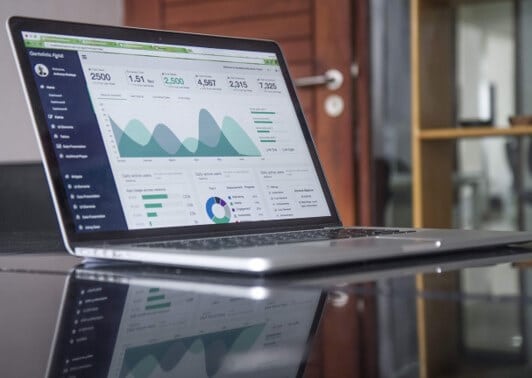 Simulation – Digital Services – AI
-
 Redesign – new productsProduct development
In-depth interviews to validate an aspiration solution
-
 Redesign – new products
 Product development
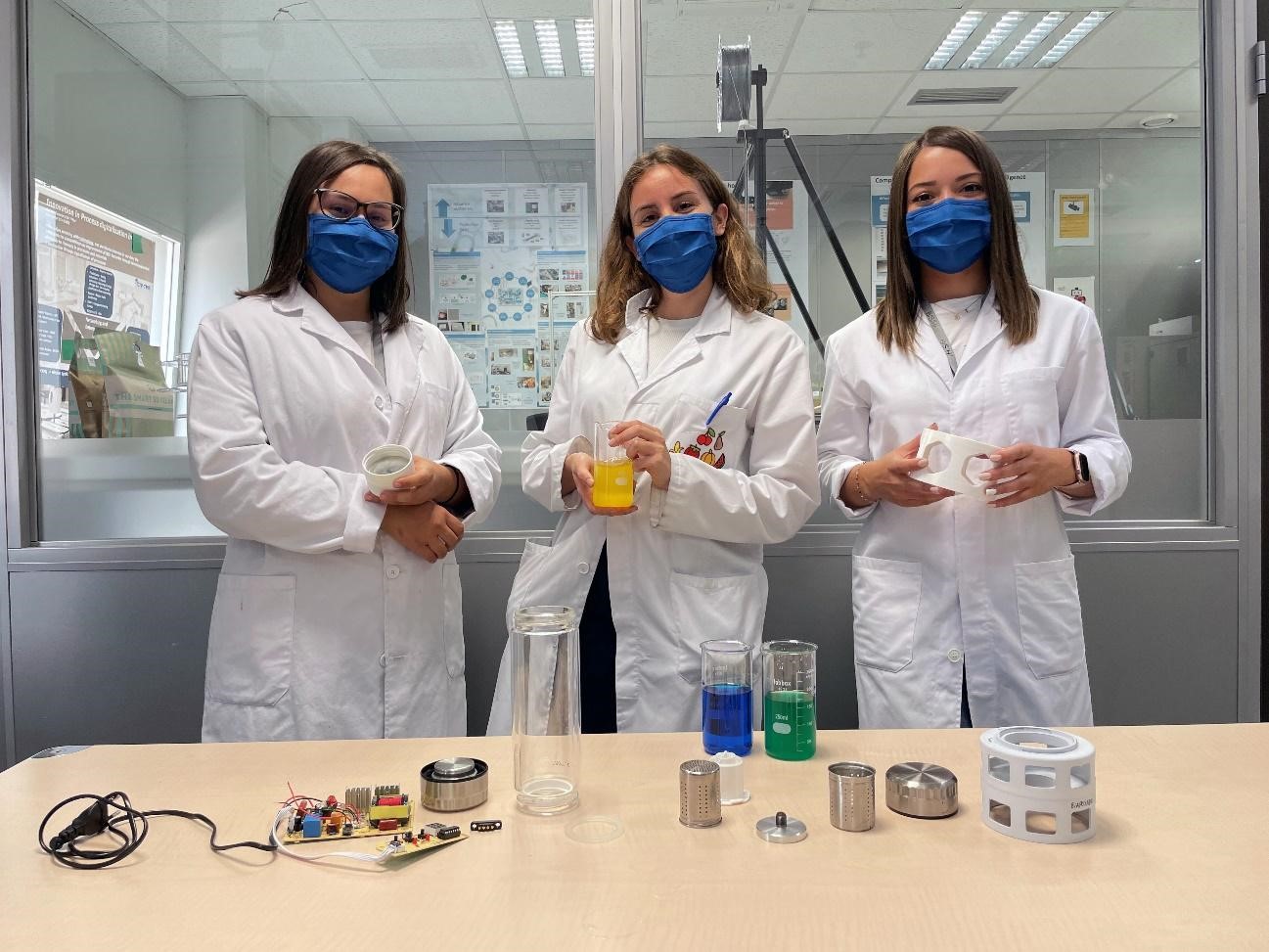
Product design and flavored waters from an interdisciplinary approach
-
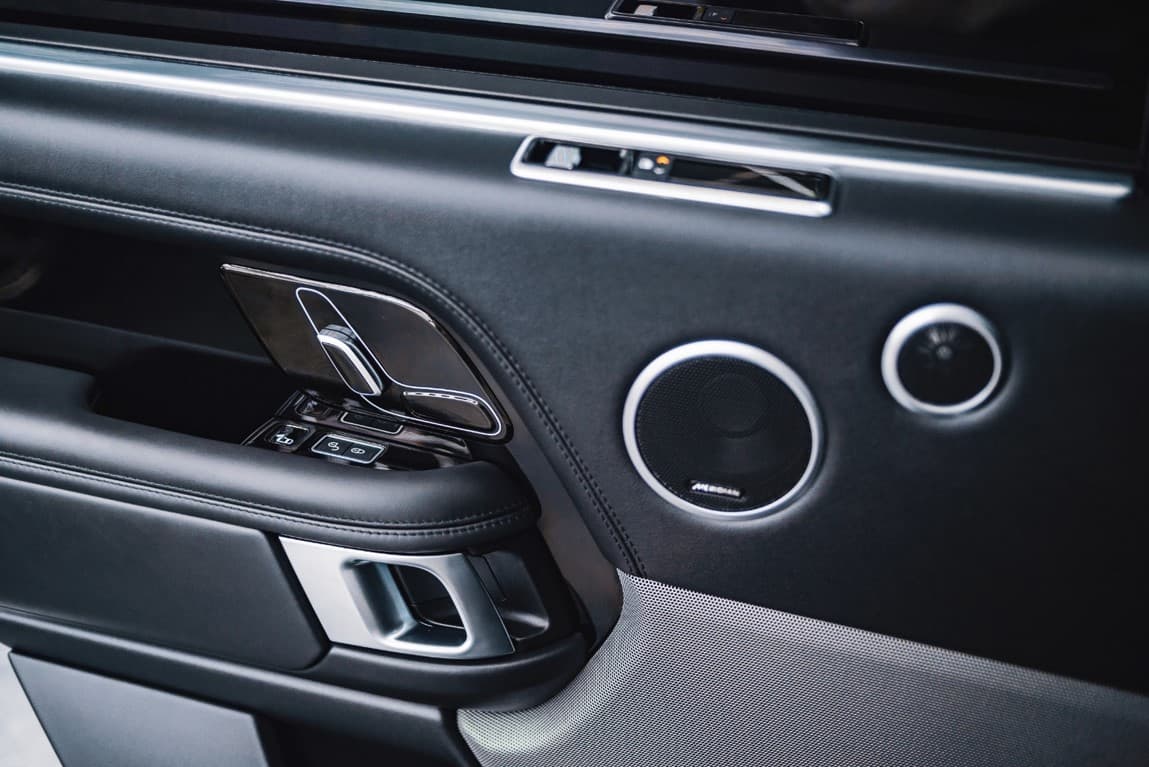 Plastics – polymers – composites
-
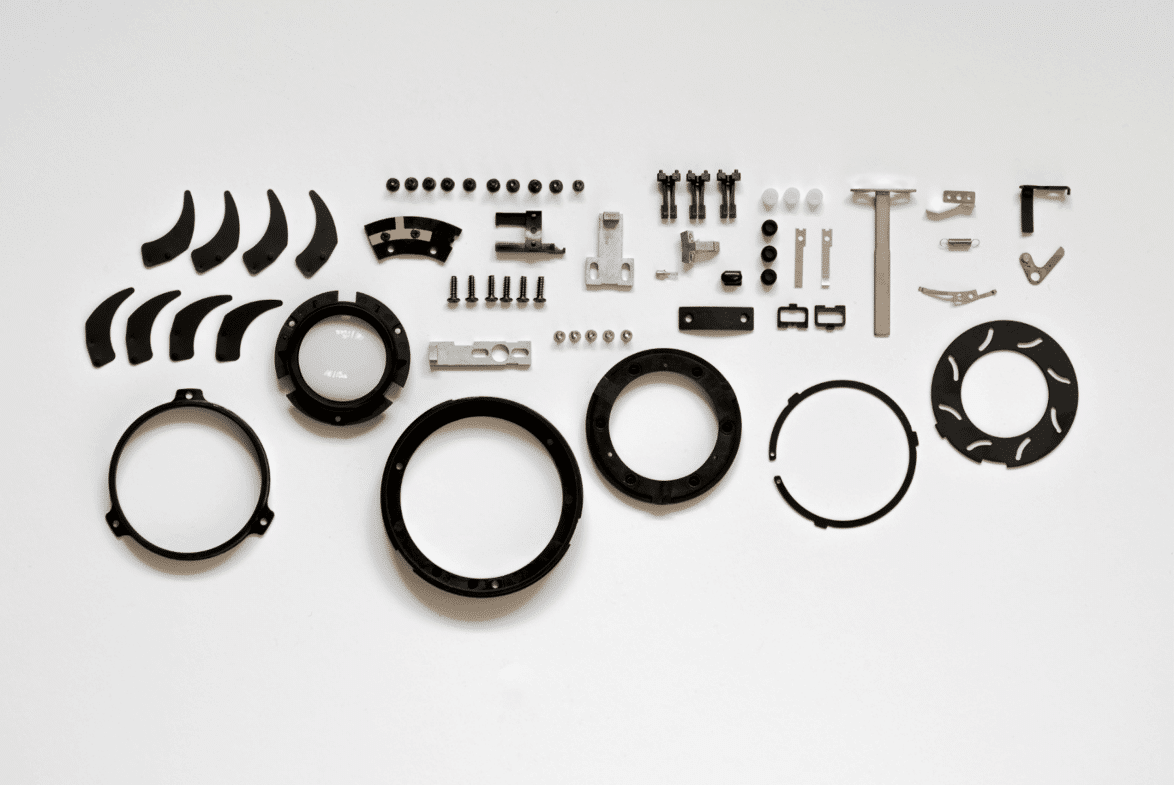 Plastics – polymers – compositesProduct development
Redesign of plastic components for their manufacture and industrialization
-
 Food – microorganims – disinfectionProduct development
Market research in the confectionery sector
-
 Redesign – new productsProduct development
Redesign of the graphic image to reflect corporate identity
-
 Waste – recycled – sustainabilityProduct development
Product analysis and brand design with sustainability values
-
 Simulation – Digital Services – AIProduct development
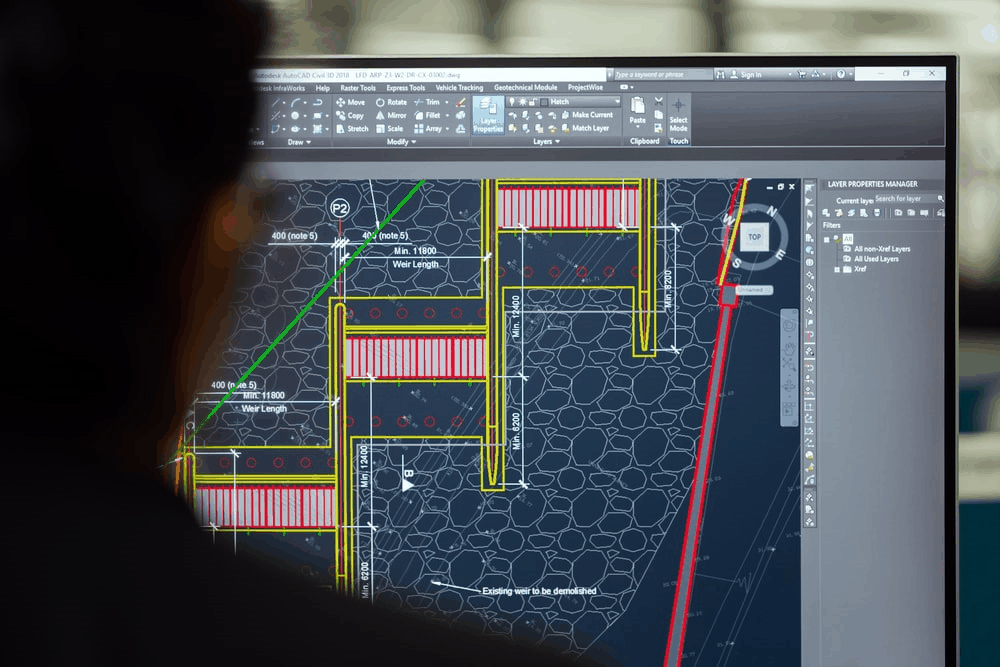
Fluid dynamic simulation for the design of a compact, high power aeration device
-
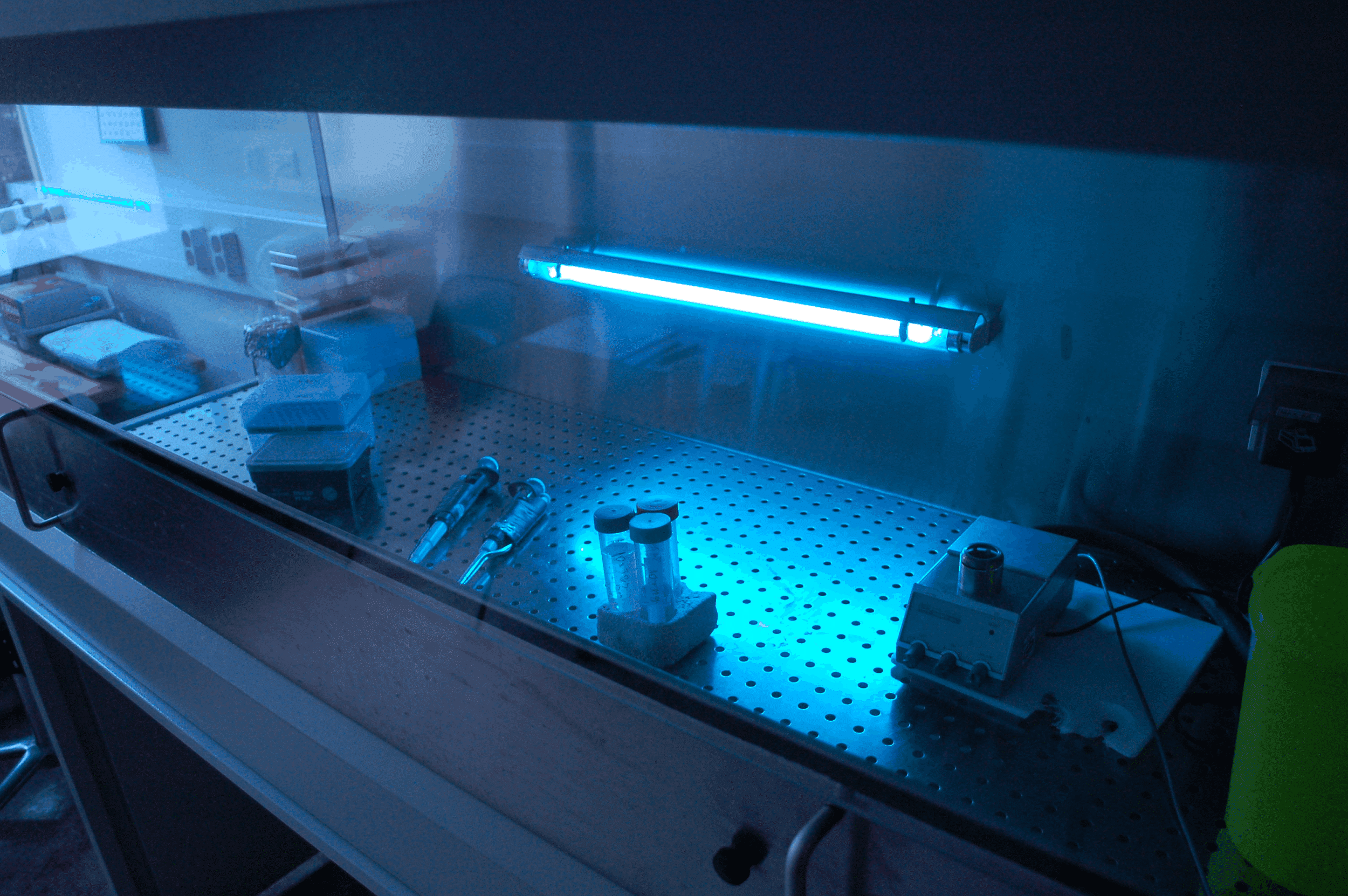 Ultraviolet
 Product development
Optimization of ultraviolet light devices for air disinfection
-
 Redesign – new productsProduct development
Economic feasibility analysis for a new appliance
-
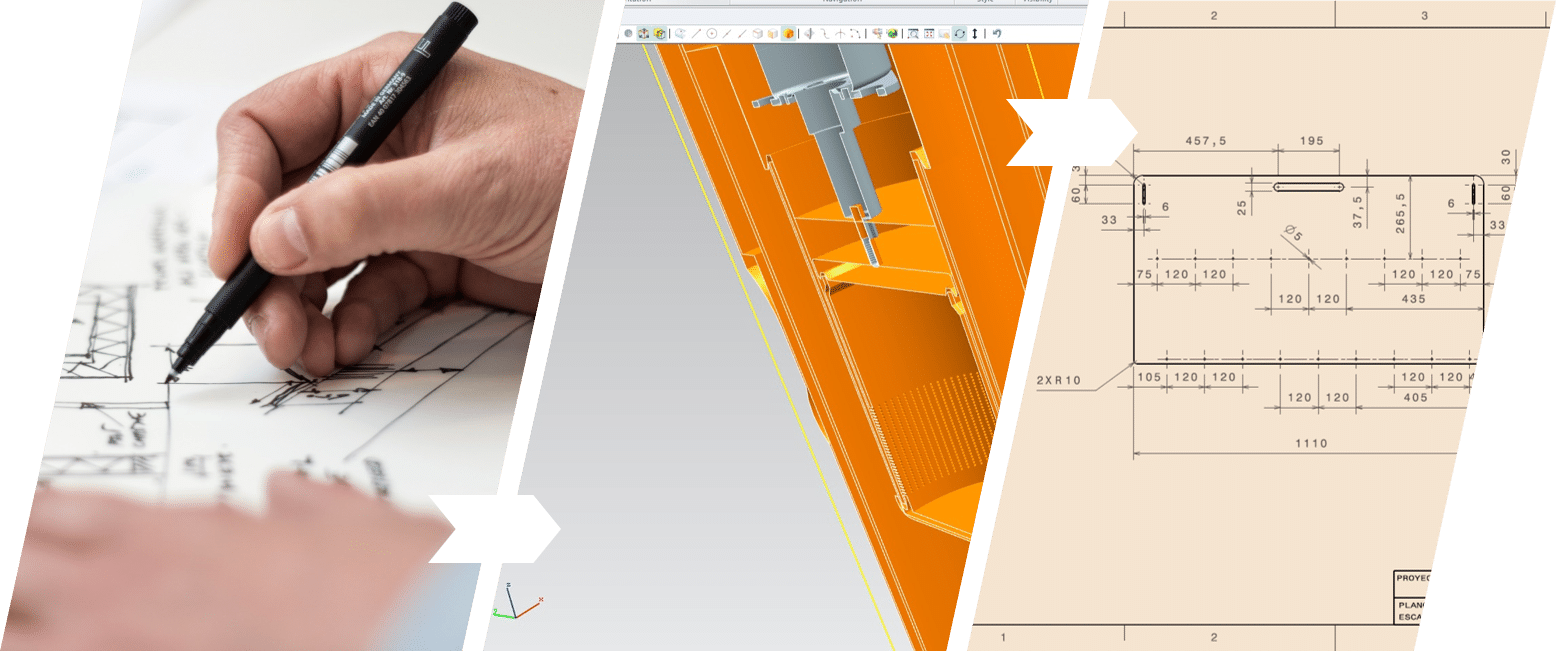 Redesign – new productsProduct development
Technical feasibility analysis for a new appliance
-
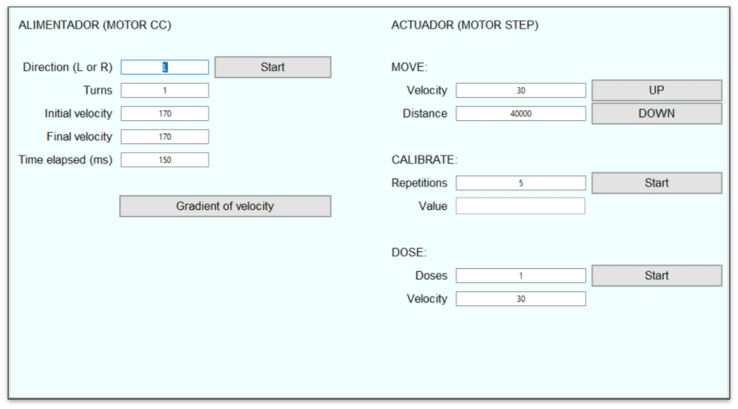 Simulation – Digital Services – AIProduct development
Development of an application to control a device
-
 Redesign – new productsProduct development
Development of a new home care product
-
 Food – microorganims – disinfectionProduct development
Development of a new product for food preservation
-
 Redesign – new productsProduct development
Analysis of branding strategies for the household appliances sector
Frequently asked questions about product development
Faqs
What is industrial product development, and how does it differ from product design?
Industrial product development is the comprehensive technical process that transforms an idea or need into a validated, manufacturable and competitive physical solution. Unlike product design, which focuses primarily on form and aesthetics, industrial development integrates mechanical engineering, materials selection, functional prototyping, simulation and experimental validation. At INFINITIA, we tackle both aspects in a coordinated manner: from the initial conceptual sketches right through to preparing the product for industrial production, ensuring that every design decision is technically sound and viable in production. You can see specific examples in our ‘Product Development Projects’ section.
At what stage can INFINITIA become involved in the development of a new product?
INFINITIA can be brought on board at any stage of the project: from the initial conceptualisation phase, when there is only an idea or a market need that has not yet taken shape, right through to advanced stages of prototyping, redesign or preparation for manufacturing. We work both with companies starting from scratch and with teams that already have a project underway and need an external technical partner to resolve bottlenecks, validate decisions or accelerate time-to-market. This flexibility allows us to act as an outsourced development department, tailoring the scope of the project to each specific situation. If your project is in the ideation phase, the initial product development assessment is the usual starting point.
Can INFINITIA help a start-up develop its first physical product?
Yes, and it’s one of the types of business we work with most. Start-ups with a physical product face a specific challenge: they need to move quickly to validate their business idea, but without the in-house technical resources of an established manufacturing company. At INFINITIA, we act as an external technical partner, providing engineering, design, prototyping and validation right from the early stages. This allows the start-up to focus its resources on the business whilst INFINITIA manages the technical complexity of the product.
Compared to other alternatives, such as turning to a technology centre or university research groups – which are perfectly valid and complementary approaches – working with a technical partner like INFINITIA usually offers a stronger focus on the end product, tighter turnaround times and a comprehensive vision that spans from concept to manufacturing. Among other projects, we have developed an advanced liquid dispensing prototype designed to attract investment and a disinfection device for amusement arcades, both of which were developed in response to specific needs where no previous product existed.
How long does it take to develop a product, from the initial idea to the prototype?
Development time depends on the technical complexity of the product, the maturity of the idea and the objectives of each phase. At INFINITIA, we work using a phase-based methodology (concept design, demonstrator, pre-series, type approval and mass production) which allows us to progress step by step and reduce uncertainty at each stage. Generally speaking, timelines can range from several weeks for validations or specific phases, to several months or even years for complete developments involving mechanical and electronic integration, prototyping and preparation for manufacturing.
There is no standard timeframe: each project is planned according to its actual requirements. In any case, the aim is to optimise iteration time and avoid proceeding to manufacturing with unverified technical assumptions. Further details on the process milestones can be found on our prototyping page.
What is the difference between an MVP, an MLP and a proof of concept?
These three concepts serve different purposes within the development cycle. The proof of concept (PoC) validates whether a technology, principle or mechanism works under controlled conditions; it is a test of viability, not a product. The MVP (Minimum Viable Product) is the first functional version with the minimum features required to be tested by real users and to generate insights. The MLP (Minimum Lovable Product) goes one step further: it incorporates sufficient functional and user experience attributes to make the product not only useful, but also desirable. At INFINITIA, we use all three approaches as tools for technical decision-making, choosing the most appropriate one based on the project’s objective and the level of investment available. You can find further information on our pages about the Minimum Viable Product and the Minimum Lovable Product.
What role do user and market research play in the development of an industrial product?
User research and market research are validation tools that enable the development team’s technical hypotheses to be tested against users’ actual needs and market opportunities. At INFINITIA, we incorporate them particularly in the early stages of a project to avoid one of the most common and costly mistakes in product development: designing a technically sound solution that nevertheless fails to address a real need or lacks a competitive edge. A well-conducted user analysis enables us to prioritise features, define more precise design specifications and reduce the number of subsequent iterations in the development process.
Can INFINITIA develop both the mechanical design and the electronics of a product?
Yes. At INFINITIA, we take a holistic approach to product development, which includes both mechanical development (CAD design, material selection, geometry optimisation, tolerances and design for manufacturing) and the integration of electronic components, sensors, actuators and control systems where the product requires them. This cross-disciplinary capability enables us to develop complete solutions without relying on multiple suppliers working in an uncoordinated manner – something that is critical when the mechanical design and electronics must evolve in parallel to ensure the functionality of the assembly as a whole. This is one of the most significant practical differences compared to working with more specialised professionals or university research teams, who typically focus on a single discipline.
How do I know whether it’s better to redesign my current product or develop a new one from scratch?
The decision between redesigning and developing from scratch depends on several factors: the extent of the technical limitations of the current product, existing manufacturing costs, market requirements that are not being met, and the time available for development. In many cases, redesign offers a greater return in the short term because it builds on a proven foundation: adjusting materials, optimising assemblies or resolving specific faults can significantly boost competitiveness without the cost of a complete redevelopment. At INFINITIA, we carry out a technical analysis of the existing product before recommending any approach, assessing actual limitations and opportunities for improvement. You can see an example of this type of project in our case study on product redesign to reduce production and assembly costs.
What happens if my product needs to pass type-approval or certification tests before it can be placed on the market?
Type approval is the certification process that guarantees a product complies with the technical, safety and environmental standards required for it to be placed on the market in a specific market. Depending on the sector, regulations such as the CE marking (mandatory for most products sold within the European Economic Area and covering directives such as those on Low Voltage, Machinery and Personal Protective Equipment), the RoHS Directive for electronic components, food safety regulations or specific defence requirements. At INFINITIA, we take regulatory requirements into account from the earliest stages of design (not just at the time of certification), which significantly reduces the need for redesigns and the costs associated with late non-conformities. If you require information on pre-approval validation testing, please contact our design and innovation department.
In which industrial sectors does INFINITIA have experience in product development?
INFINITIA has developed product projects in sectors such as the automotive industry, consumer electronics, energy, industrial machinery, consumer goods and defence. Each sector has different regulatory, functional and durability requirements, which necessitates the adaptation of materials, manufacturing processes and validation strategies. For example, in the automotive sector we work with components subjected to dynamic loads and continuous vibrations; in electronics, thermal management and miniaturisation are critical factors; and in industrial machinery, operational robustness and maintenance are priorities. This multi-sector experience enables us to identify the specific technical risks of each environment from the earliest stages of the project – something that a generalist technical partner or a team focused exclusively on basic research would struggle to offer with the same practical focus. Take a look at some real-world case studies in our ‘Projects’ section.
How is the transition from prototype to mass production managed?
Accredited laboratories, technology centres and universities are valuable and, in many cases, complementary resources. Their strengths lie in their analytical capabilities, regulatory accreditation or depth of research. What sets working with Infinitia as an external technical partner apart is something else: its focus on specific industrial problems and decision-making.
At Infinitia, we do not simply carry out tests and deliver results: we interpret the evidence within the real-world context of the product, the process and the sector, and translate it into actionable conclusions. We work across the board with the client’s quality, production, procurement and R&D teams, acting as a technical extension of the in-house team so that the analysis translates into real improvements.
→ Find out how we integrate this approach into our technical industrial consultancy.
How long does an analysis take, and how is the cost estimated?
The first step is a technical discussion in which we analyse the idea, the current status of the project, the objectives and the main constraints with you. From there, we propose a specific approach — which may begin with a preliminary study and refinement of the idea, a technical assessment, or directly with a conceptual design phase — and we work with you to define the scope and deliverables. You can contact us via the form on the website to receive a priority response from the technical team.